

Iran’s IRGC strikes US military bases in Bahrain, Kuwait, warns of “severer” retaliation
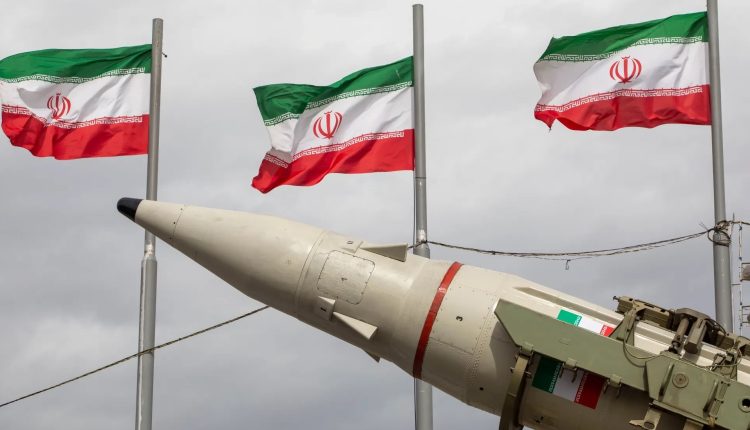
TEHRAN, June 03 (YPA) – Iran’s Islamic Revolutionary Guard Corps (IRGC) announced on Wednesday that it carried out coordinated missile and drone strikes against US military assets in the Gulf, escalating regional tensions and sending a direct deterrent message to Washington.
According to an official IRGC statement, the operations targeted Ali Al Salem Air Base in Kuwait, which hosts US helicopter squadrons, and the headquarters of the US Navy’s Fifth Fleet in Bahrain. The IRGC framed the strikes as a direct response to recent US actions against Iranian interests.
Retaliatory Motives and Strategic Warnings
The IRGC detailed that its strikes were launched in retaliation for a US attack on a telecommunications tower on Iran’s Qeshm Island, as well as an alleged US targeting of an Iranian oil tanker near the Strait of Hormuz, which caused severe damage to the vessel’s engine room.
Warning of further escalation, the IRGC asserted that any subsequent American aggression would face a “different and severer response,” adding that threatening the security of the strategic Strait of Hormuz would exact a “heavy price” from US forces.
The escalation follows reports from Iran’s Mehr News Agency, citing local residents, of loud explosions on Qeshm Island late Tuesday night. Iranian media had previously reported unexplained blasts on the island amid field reports of localized skirmishes, including drone shootdowns and engagements of military positions.
Pentagon Counterclaims and Regional Fallout
In contrast to Tehran’s account, the United States Central Command (CENTCOM) claimed that its air defense systems successfully intercepted a number of Iranian drones, adding that no damage or casualties were recorded.
In a seemingly parallel development, Iran’s Tasnim News Agency reported that the Komala party—an Iranian Kurdish separatist group—confirmed its headquarters in the Alana Valley, northeast of Erbil in northern Iraq, was struck by an Iranian missile.
Diplomatic Gridlock
The military flare-up coincides with a complete standstill in diplomatic channels between Tehran and Washington. The sudden deterioration comes despite earlier signs that the two adversaries were nearing a preliminary understanding, underscoring the volatile overlap of military friction and frozen political negotiations in the region.
YPA