

Shutdown of Sanaa International Airport threatens lives of patients across Yemen
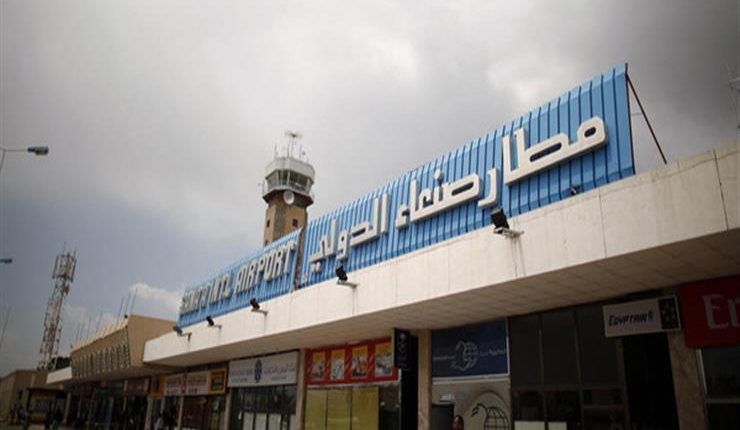
SANAA, May 26 (YPA) – Yemen’s Health Ministry Spokesman Dr. Anis Al-Asbahi said that airports are a vital lifeline for any healthcare system, particularly in countries with limited medical resources such as Yemen, noting that Sana’a International Airport serves as the main air gateway for patients traveling abroad for treatment, as well as for the import of life-saving medicines and medical supplies.
Speaking during a protest marking the first anniversary of the Zionist entity’s targeting and destruction of Yemenia aircraft and facilities at Sanaa International Airport, Al-Asbahi said the shutdown of Sana’a International Airport had led to shortages of critical medications for chronic and life-threatening illnesses that could only be transported by air.
He warned that the continued closure of Sanaa Airport has serious health and humanitarian consequences, most notably delays in critical surgeries, which threaten patients’ lives and increase mortality risk.
Al-Asbahi added that cancer patients face difficulties accessing treatment protocols unavailable domestically, such as immunotherapy, targeted therapy, and nuclear scans, alongside significant psychological distress experienced by patients and their families.
He noted that the closure has also caused a severe shortage of medicines for chronic diseases, including insulin, cardiac drugs, renal failure treatments, and asthma medications, leading to reported deaths.
Al-Asbahi said chemotherapy and targeted therapies require a cold chain during transport that can only be maintained through Sana’a International Airport, adding that restrictions have reduced the availability of cancer drugs by 40–60 percent.
The ministry spokesperson explained that the continued shutdown has deprived thousands of patients of essential medicines, including kidney transplant patients, blood derivatives, hormonal and immunological therapies, and emergency and anaesthesia drugs. It has also prevented hundreds of thousands of patients from traveling abroad for treatment unavailable locally, including cancer care and cardiac surgery.
He added that the closure has also prevented the entry of medical teams prepared to carry out complex surgeries, at a time when around 90 percent of patients are unable to travel due to economic hardship and restrictions at airports controlled by other parties.
Al-Asbahi said one of the major consequences has been the disruption of local pharmaceutical production due to restrictions on importing raw materials, as well as complications in bringing in medicines and medical supplies, which has affected the stability of the health sector.
He said the blockade has turned chronic diseases into life-threatening conditions for Yemeni patients, noting that around 8,000 kidney failure patients face the risk of death due to shortages of dialysis supplies, with 5,000 deaths reported due to the lack of dialysis solutions and equipment.
Al-Asbahi added that around 1,000 cancer patients are facing severe shortages of medication, including 10 essential unavailable drugs.
He further stated that more than 40,000 patients with thalassemia and hereditary blood disorders are at risk due to medicine shortages, with 684 deaths recorded among them out of 8,430 patients receiving treatment. He added that 600 leukemia patients are currently under care, including 200 in urgent need of bone marrow transplants.
Al-Asbahi said the closure and related restrictions have led to a 60 percent decline in medicine imports, the suspension of more than 83 importers supplying around 1,329 types of medicines, and a 30 percent shortage of hemophilia and leukemia drugs.
He also pointed to thousands of complex cases that could not be treated domestically between 2021 and 2025, estimating 8,685 such cases. He said that between 2018 and 2025, 77,412 patients required treatment abroad, including 15,482 who were unable to travel due to financial constraints and 12,251 due to the closure of Sana’a International Airport.
Al-Asbahi added that in 2025 alone, 1,154 patients required nuclear scans, 117 suffered from congenital heart defects, 65 needed corneal transplants, and 109 cases of liver failure required treatment abroad, in addition to three patients needing bone marrow transplants.
He called on the United Nations and international organizations to address the humanitarian consequences of the continued closure of Sana’a International Airport, warning it threatens the lives of hundreds of thousands of patients.
@E.Y.M