

French prosecutors seek jail terms for Yemen President Saleh’s sons
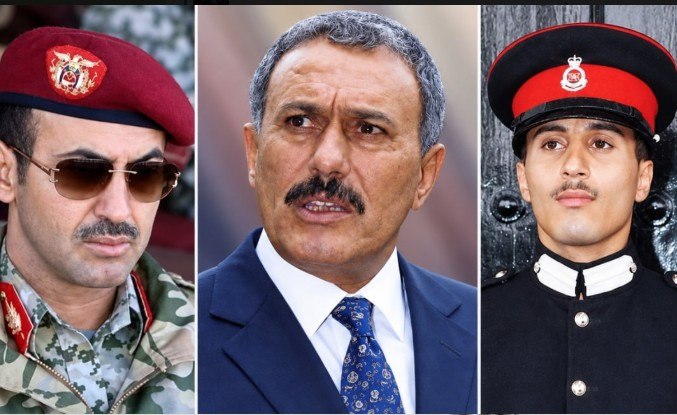
PARIS, Sept. 17 (YPA) – French prosecutors on Thursday requested prison sentences for Ahmed and Khaled, sons of former Yemeni President Ali Abdullah Saleh, over allegations of money laundering involving funds believed to have been derived from corruption and the embezzlement of public funds.
They also sought the confiscation of luxury properties in Paris, funds and stakes in real estate companies worth more than €70 million.
The Paris Criminal Court is trying Ahmed Ali Abdullah Saleh, 54, and his brother Khaled, 39, in absentia after charging them with laundering proceeds of corruption and embezzled public funds as part of an organized criminal group.
The two brothers are believed to be residing in Dubai, according to the Organized Crime and Corruption Reporting Project (OCCRP). French prosecutors requested a five-year prison sentence and an arrest warrant for Ahmed, while seeking a four-year sentence and an arrest warrant for Khaled.
The prosecution also requested the confiscation of two properties in Paris, about $3 million held in Swiss bank accounts, and nearly €3 million held through companies that own real estate, in addition to penalties against other defendants in the case.
According to France’s National Financial Prosecutor’s Office (PNF), judicial investigations resulted in the freezing of assets worth more than €36.8 million, including bank accounts and several apartments and private residences in Paris.
The seized real estate alone is valued at about €22.6 million, in addition to €10 million in outstanding proceeds from the sale of one of the properties, according to the OCCRP, citing the PNF.
The case stems from an investigation opened by the PNF in 2019 following information received from Swiss authorities. The trial of Saleh’s two sons began on September 7 before the Paris Criminal Court.
The Sanaa-based Awtad Association joined the case as a civil party and is seeking the return to Yemen’s population of any money and assets that may be confiscated by the court, according to the OCCRP, citing French reports.
The assets at the center of the case date back to the years of Ali Abdullah Saleh’s rule. He governed Yemen for more than three decades before stepping down in 2012 following widespread popular protests during the Arab Spring. Saleh and members of his family and inner circle had faced allegations over the years of misappropriating public funds and amassing vast fortunes.
@@