

Vision 2030 falter: Will Sanaa overthrow Riyadh’s economic ambitions?
ANALYSIS, Aug. 03 (YPA) – Saudi Arabia’s Vision 2030 was never merely a limited economic project; it is a sweeping strategic gamble through which Riyadh seeks to reshape the Kingdom’s economy and global standing by attracting foreign investment, executing mega-projects, and diversifying income sources away from oil dependence.
However, this gamble relies on a fundamental equation whose elements cannot be separated: security and stability, the continued flow of oil revenues, and the provision of a safe environment for capital and major developments.
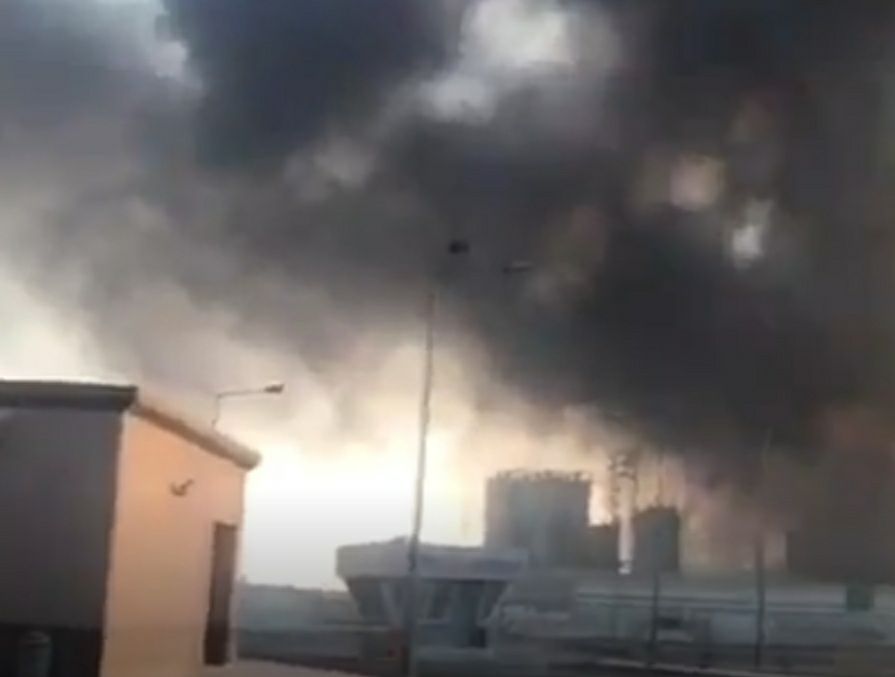
Today, this equation faces a tough test with the resurgence of Yemeni escalation and the return of Saudi energy facilities, infrastructure, and vital pathways into the line of threat. For Riyadh, Yemeni strikes represent more than just a military and security challenge; their repercussions could reach the very core of the Saudi economic project, particularly if targeting vital facilities—including oil production, transport, or export infrastructure—continues.
The gravity of this scenario lies in the fact that oil remains a primary pillar of state revenue, whereas Saudi Arabia requires massive financial inflows to fund Vision 2030 projects. Any disruption in oil exports could subject Saudi finances to severe pressure alongside the rising costs of safeguarding and securing facilities. This reality may force Riyadh to reprioritize spending, slow the pace of certain projects, or postpone them altogether, while persistent security risks erode investor confidence and drive up investment and insurance costs.
In this context, the American magazine “Newsweek” stated that Saudi Arabia faces unprecedented security challenges as it strives to protect its economic project tied to Vision 2030, noting that regional tensions and threats linked to Yemen exert immense pressure on Saudi interests and energy export routes.
Newsweek quoted retired Saudi Brigadier General Abdullah bin Farah Al-Shaye as saying that the war in Yemen revealed the limits of military power against Sanaa forces, which rely on drones and missiles. The magazine also quoted Dana Stroul, former US Deputy Assistant Secretary of Defense for the Middle East, noting that Saudi Arabia has realized military force alone is insufficient to confront Sanaa forces, warning that a return to a full-scale war would be devastating for the Kingdom and its economic projects.
For its part, the French newspaper “La Croix” reported that Saudi Arabia finds itself in a precarious position amid escalating regional tensions. It stressed that attacks targeting its oil facilities place it before a difficult dilemma between attempting deterrence and avoiding a slide into a broader war that threatens its stability. The newspaper noted that these risks raise questions about the future of Vision 2030, which relies heavily on attracting investments and diversifying the economy.
Herein lies the paradox: Saudi Arabia needs oil to finance the economic transition intended to reduce its reliance on it, while simultaneously requiring security to attract investment and protect its developments. If escalation impacts either side of this equation, the fallout will inevitably reach the other.
Consequently, Yemeni strikes appear not as a mere fleeting security threat, but as a direct risk to Vision 2030 itself. The continued targeting of energy facilities and threats to oil exports could strike the very pillars upon which the project rests. As escalation broadens, Riyadh may find itself facing a reality of declining revenues, rising protection costs, and heightened investment risks—factors that could make sustained funding for mega-projects increasingly difficult.
Should the threat to oil exports turn into a long-term disruption, Saudi Arabia could face a deep economic crisis affecting its ability to finance its projects. It might ultimately find itself forced to suspend Vision 2030 or halt the project entirely, bringing Riyadh’s economic ambitions to an end under the weight of the Yemeni escalation’s repercussions.
YPA