

Iran detonates major economic surprise, launching new trade corridors
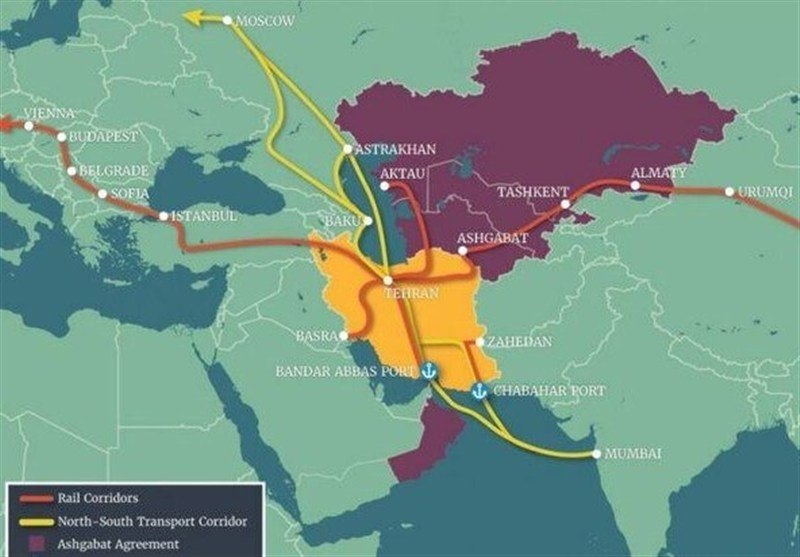
TEHRAN, May 31 (YPA) – The comprehensive plan to shift Iran’s trade corridors has entered the phase of practical implementation.
This comes as part of efforts to counter the economic blockade and gradually transition trade traffic from southern ports to northern ports and land crossings.
According to the “Tasnim News Agency,” the Iranian Ministry of Economy stated that following the recent war and the accompanying tightening of the economic blockade—particularly the closure of southern waterways—an integrated plan was launched to redraw foreign trade routes with the aim of securing imports and managing the repercussions of the blockade.
Among the most prominent measures taken since the outbreak of the war is the removal of obstacles related to clearing and transporting goods from customs centers. This intervention has contributed to reducing the customs clearance time for essential commodities from approximately 17 days down to 9 days.
The Department of Economic Policies at the Ministry of Economy explained, based on the “Monitor 360” report series, that a comprehensive assessment of the status of essential commodity imports during the war period revealed a noticeable decline in the volume of these goods being unloaded at the country’s border ports.
Following the presentation of these report findings to the relevant authorities, and coinciding with the start of the blockade on southern maritime corridors, specialized task forces were formed to follow up on vital files. These include health commodities, basic goods, and industrial production inputs.
The primary tasks of these teams consist of preparing an alternative map for importing strategic goods, identifying available import capacities across various routes and countries, and monitoring potential constraints over the short, medium, and long terms. Additionally, they are tasked with defining the requirements needed to implement the designated goals and facilitate importing through the new corridors.
In parallel, the Iranian government is working to adopt a similar approach in the export sector. A package of measures aimed at maintaining key export markets—with a focus on supporting affected production units—is currently being prepared ahead of its final approval.
Decentralization and Delegating Authority to Governorates
Enhancing decentralization stands as one of the core pillars of the new plan, as part of the authority to manage trade corridors has been delegated to local task forces in the governorates, headed by the governors, running parallel to the work of a central national committee.
Within this framework, the program to shift trade corridors from southern ports to northern ports and land crossings is being executed through joint coordination between the national and local levels, focusing on improving border management and eliminating procedural obstacles hindering trade movement.
Assessing the Logistic Capacities of Alternative Routes
Studies dedicated to identifying alternative corridors focused primarily on the imports of essential commodities, taking into account three key criteria:
- The capacity of supplying countries to meet the needs of the Iranian market.
- The logistical capabilities of neighboring or transit countries.
- The handling capacity of land border ports—whether via railways or roads—in addition to the country’s northern ports.
Broad Government Coordination to Prepare the New Trade Map
In this context, multiple technical meetings were held with the participation of relevant institutions, the private sector, and merchants. Furthermore, the Ministries of Roads and Urban Development, Agriculture, Industry, Mine and Trade, and Foreign Affairs, alongside the Planning and Budget Organization, held a series of meetings at the expert, deputy, and ministerial levels to draft a new trade map relying on currently available ports and crossings.
Customs Reforms and the Adoption of the Direct Transport System
To reduce border congestion and increase the volume of trade exchange, customs authorities have initiated the implementation of a “Direct Transport” mechanism for goods.
Under this system, border crossings will transform into mere transit points, where imported goods can be declared before their arrival at the border, while customs procedures for exports will be completed inside the country. This mechanism is expected to curb the accumulation of goods at customs centers.
Incentives for the Private Sector
To encourage merchants and economic actors to utilize the new routes, the government approved a package of incentives. This includes reducing customs duties and taxes, alongside providing other forms of support and facilities.
The Ministry of Economy confirmed that the plan has indeed entered the stage of practical execution, while joint efforts between national and local entities continue to ensure the success of shifting the trade corridors and maintaining the stability of the country’s foreign trade movement.
YPA