

Lebanon death toll climbs to 3,468 as WHO warns of mounting attacks on healthcare
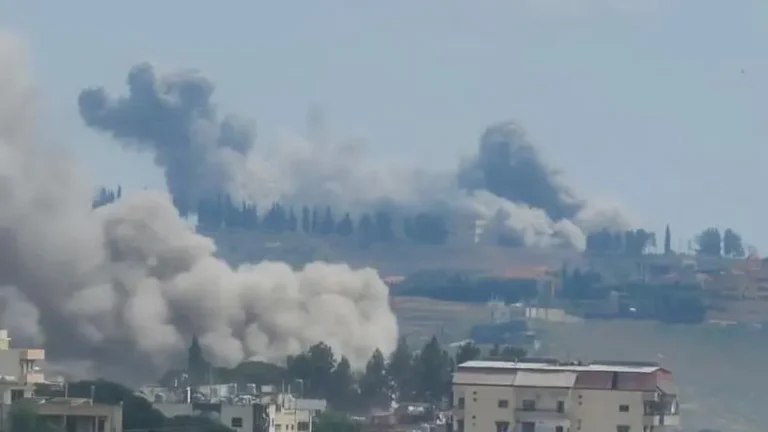
BEIRUT, June 02 (YPA) – Lebanon’s Ministry of Public Health declared on Tuesday that the cumulative death toll as a result of the ongoing Israeli aggression since the escalation that began on March 2 has risen to 3,468, while the number of wounded has reached 10,577.
In its latest statistical report, the ministry said 35 people were killed and 182 injured during the past 24 hours.
The ministry also reported that 128 healthcare workers have been killed and 371 injured in 160 attacks targeting ambulance crews and medical personnel.
It added that 17 hospitals have sustained damage, while three have been forced to suspend operations.
According to Lebanon’s National News Agency, Israeli strikes on the town of Burj al-Shamali killed two people and injured 14 others, while a separate Israeli strike on Shahour left two more dead.
The ministry praised the management and staff of Jabal Amel Hospital for continuing to provide medical services despite what it described as extremely dangerous conditions and repeated attacks in the area.
Earlier on Tuesday, Lebanon’s Civil Defense announced the recovery of six bodies and the rescue of three injured people from the rubble of a residential building struck in Marwaniya, in the Sidon district.
Meanwhile, the World Health Organization said more than 3,400 people have been killed and nearly 10,400 injured in Lebanon since the expansion of the Israeli aggression in March, describing the past three months as among the deadliest since the conflict began in October 2023.
WHO representative Abdel Nasser Abu Bakr said the organization has verified 190 attacks on healthcare facilities and personnel during this period, resulting in the deaths of 128 health workers and injuries to 332 others.
The agency also reported 11 attacks on healthcare facilities and staff in the past week alone, including incidents near Hiram Hospital in Tyre and Jabal Amel Hospital, which together resulted in multiple casualties among healthcare workers and civilians.
The WHO called for a sustainable ceasefire and a long-term peace framework to support reconstruction efforts, facilitate the safe return of displaced people, and ensure access to essential services and humanitarian assistance.
AA