
New round of US–Iran talks expected amid wide gaps between Washington, Tehran
SANAA, April 15 (YPA) – There are growing signs that negotiations between Tehran and Washington may soon resume as the ceasefire agreement deadline approaches, supported by diplomatic efforts from the Pakistani mediator aiming to extend the ceasefire and facilitate a new round of talks.
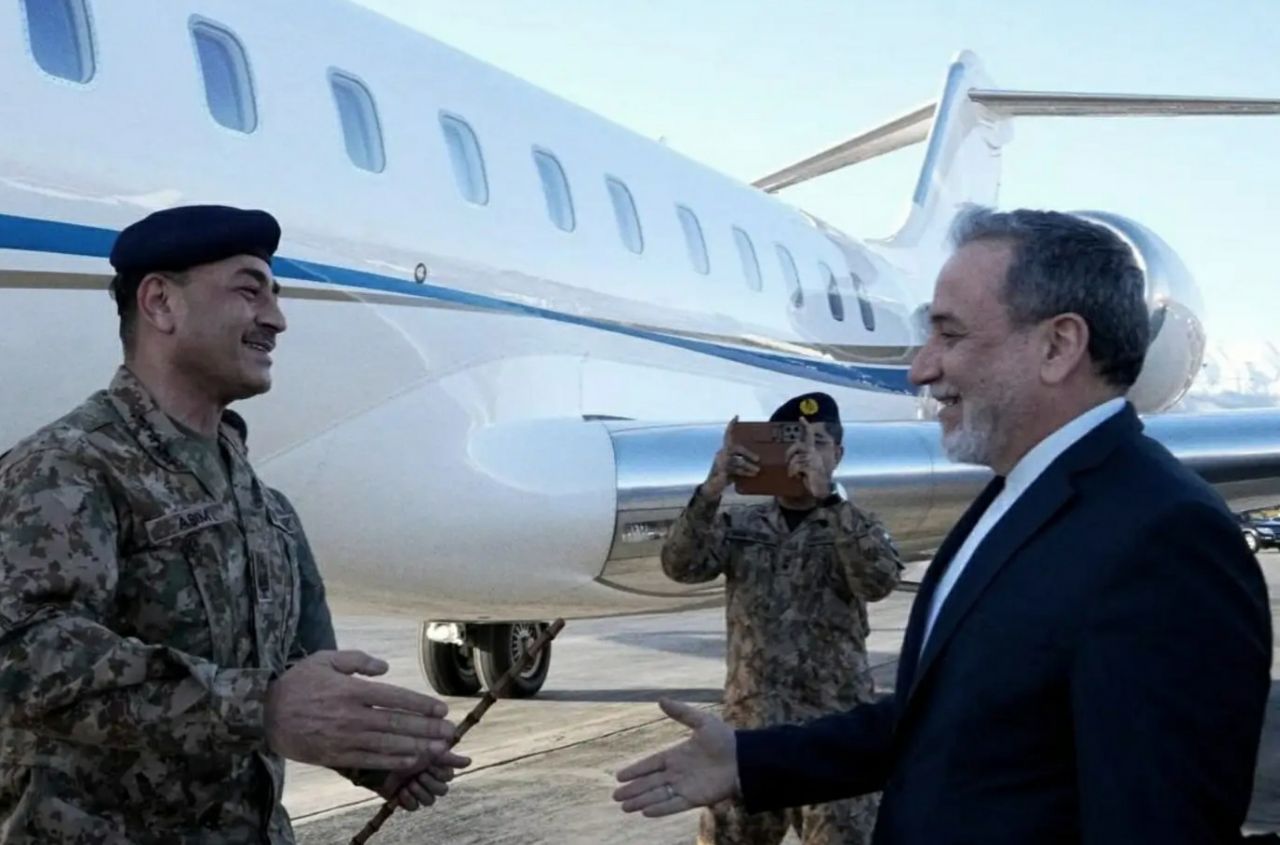
Iranian television reported today that a high-level political and security delegation, led by Pakistani army commander Asim Munir, arrived in Tehran from Islamabad to discuss preparations for the upcoming negotiations, expected to take place in Islamabad in the coming days.
Similarly, Tasnim news agency cited an informed Iranian source stating that Iran’s team will conduct internal reviews before deciding on the next negotiation round with the United States. The source noted that the ceasefire in Lebanon is a positive sign that could influence Tehran’s decision. Iranian officials emphasized the necessity for Washington to adhere to a logical negotiation framework without obstructing progress through excessive demands or broken promises.
Meanwhile, the Pakistani channel “Geo” reported the possibility of a second round of talks between Iran and the U.S. in Islamabad next week, with preparations underway to ensure logistical and security readiness to host the discussions.
Officially, Iran’s Foreign Ministry reiterated that Tehran is not entering negotiations to accept U.S. conditions but seeks outcomes that serve the interests and rights of the Iranian people.
The ministry stressed that imposing conditions amounts to coercion rather than dialogue and that any agreement must be based on mutual commitments.
Iranian Foreign Ministry spokesperson Ismail Baqhaei added that Tehran is negotiating under very complex conditions, with all terms of any agreement being interrelated and indivisible.
He also pointed out the unreliability of some U.S. economic offers, citing America’s history of shifting positions and breaking commitments as a serious challenge to the durability of any potential deal.
In contrast, the U.S. continues to escalate its demands. Vice President Jay D. Vance stated in an interview with Fox News that Washington’s main conditions include completely eliminating Iran’s uranium enrichment capabilities and reopening the Strait of Hormuz unconditionally.
The Washington Post also revealed that U.S. officials plan to deploy thousands of additional troops to the Middle East in the coming days as part of a pressure strategy aimed at pushing Iran toward an agreement, underscoring doubts about Washington’s sincerity in pursuing real negotiation solutions.
While diplomatic efforts via the Pakistani mediator intensify, trust between Tehran and Washington remains at a low point. The stark contrast between Iran’s focus on mutual rights and obligations and the U.S.’ insistence on imposing conditions reveals that Washington aims to achieve by negotiation what it failed to secure by military means, posing a significant challenge for any future talks.
Given these circumstances, a pressing question emerges: What does Islamabad hold that it believes can make the next negotiation round successful and prevent a repeat of previous failures, especially amid ongoing mistrust, wide gaps between Washington and Tehran, and America’s failure to adopt a realistic approach toward reaching an agreement with Iran?