

Al-Jubwani warns of growing Salafist influence in Saudi-held areas
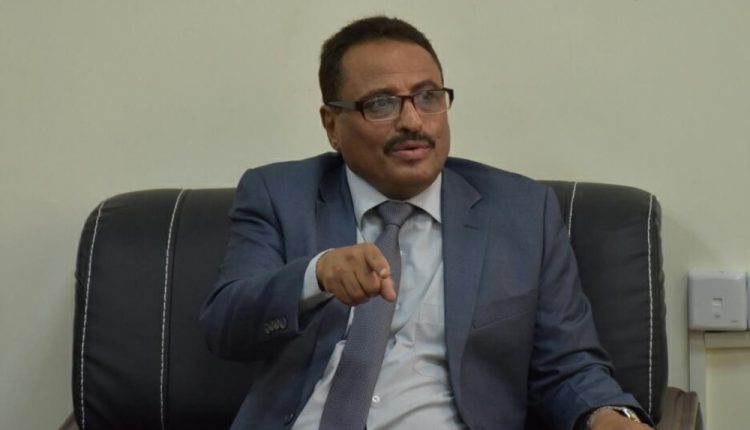
ADEN, Feb. 27 (YPA) -Former Transport Minister and senior Islah Party figure Saleh al-Jubwani has warned of growing risks threatening the military and political structure in Yemeni areas under Saudi control.
In a post on X, Al-Jubwani said that anyone following developments in Yemen could not help but feel saddened by the country’s deterioration across all sectors.
He pointed in particular to developments within the military establishment, arguing that Salafist elements now dominate most fronts in what the Saudi-backed government describes as “liberated areas.”
According to Al-Jubwani, these groups are present across various formations — from the Al-Amaliqa Brigades and ” Dera Al-Watan” Forces to emergency units, security belts, elite forces, air defenses, as well as battalion and brigade commands and, more recently, military regions.
He claimed that many of these leaders lack traditional military professionalism, describing them instead as “militia fighters” rather than career officers.
Al-Jubwani further argued that a close reading of the current landscape could lead to the conclusion that one of these Salafist leaders might eventually rise to head the state.
He said Salafist figures are already present within the state’s leadership circle, drawing a comparison to the model of Ahmad Al-Sharaa in Syria.
He warned that such a development would push Yemen’s political scene “into a dark tunnel” and result in a serious setback in which politics would have no place.
According to Al-Jubwani, the core issue with Salafist groups lies in what he described as their ideological allegiance, which he argued takes precedence over national belonging.
He said they are loyal to a religious authority rather than the constitution and adhere to directives from clerical leaders rather than to military service law.
Al-Jubwani called for preventing any opportunity that could allow a Salafi leader to assume the highest decision-making position in the country.
He proposed restructuring the Presidential Leadership Council to consist of only a president and a vice president, stipulating that both should be drawn from established political parties or independent figures with no affiliation of any kind to Salafi groups.
Armed groups supported by Saudi Arabia and the United Arab Emirates in southern and eastern Yemen have been widely accused of enabling the expansion of extremist organizations.
@E.Y.M