

Sanaa University holds symposium on British crimes during colonial rule over southern Yemen
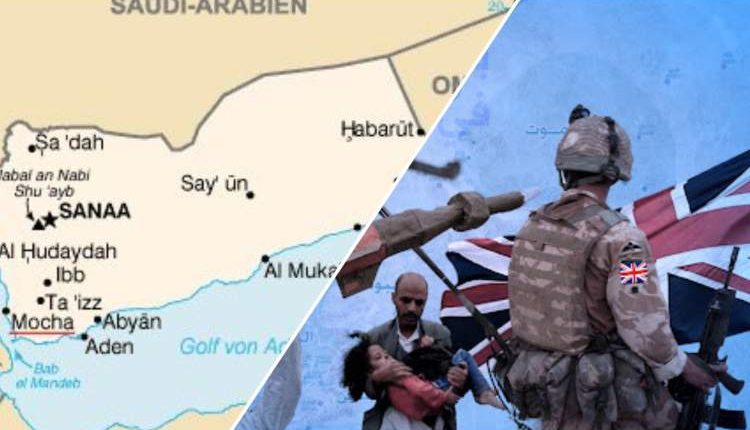
SANAA, Dec. 02 (YPA) -Sanaa University on Tuesday hosted a symposium on British colonial crimes in southern Yemen, as part of the “Academics Toward Jerusalem” lecture series, coinciding with Yemen’s Independence Day on 30 November.
Titled “Crimes of British Colonialism in Southern Yemen,” the symposium featured four research papers.
The first paper, presented by Dr. Mahmoud al‑Shaabi, examined the British occupation of South Yemen, focusing on exploitation, strategic schemes, and the erasure of Yemeni identity.
The second, delivered by Dr. Amat al‑Ghufour al‑Amir, highlighted examples of repressive measures in Aden during the colonial period.
The third, by Dr. Amat al‑Malik al‑Thawr, explored cultural conditions under British rule.
The fourth, presented by Dr. Mohammed al‑Safi, focused on resistance to British colonialism, using freedom fighter Khalifa Abdullah Khalifa as a case study.
Speaking at the event, Sanaa University President Dr. Mohammed al‑Bukhaiti said that today’s “struggle for awareness” remains as significant as past liberation efforts, emphasising the university’s role in preserving national memory and documenting historical abuses.
He praised the high turnout and active participation of academics and researchers, noting that the symposium shed light on colonial-era violations while reflecting on contemporary developments in contested regions.
Dr. Zaid al‑Warith, the university’s Assistant President for Center Affairs, described the anniversary not merely as a historical milestone but as a reminder of the sacrifices made by Yemenis in their fight for independence.
He stressed the importance of linking past experiences to present-day challenges and reinforcing national identity.
The symposium was also seen as an important academic contribution for students and researchers, particularly in documenting historical facts, resisting the erasure of Yemeni identity, and highlighting the brutality of colonial policies imposed on the people of southern Yemen during 128 years of foreign control and exploitation.
At the conclusion of the event, participants emphasised the need for national unity and resilience in the face of contemporary challenges, drawing inspiration from Yemen’s history of resistance and its long pursuit of freedom and independence.
@E.Y.M