

Sanaa ushers in new phase to break Saudi blockade, wresting people’s rights, Yemen’s sovereignty by force
SANAA, July 03 (YPA) — After nearly eleven years of war and blockade, Sanaa on Friday ushered in a new phase of political and military escalation.
This bold move marks a strategic shift in the conflict with Riyadh to impose a new, firm, and irreversible reality, under the banner of breaking the Saudi blockade imposed on Yemen, wresting the rights of the Yemeni people, and enforcing Yemeni sovereignty over the entire territory of the country.
This shift came following the landing of an Iranian civilian aircraft arriving from Tehran at Sanaa International Airport, carrying approximately 200 Yemeni citizens, including patients and stranded individuals. The aircraft then returned to Tehran accompanied by an official delegation from the Sanaa leadership that had participated in the funeral procession of Sayyid Ali Khamenei, marking the first practical breach of the air blockade imposed on the airport.
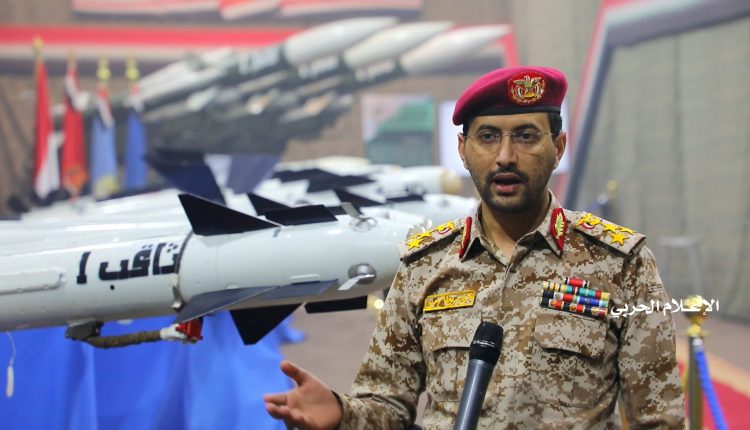
This coincided with a military statement issued by the Sanaa forces, which announced the interception of attempts by Saudi warplanes to prevent the aircraft from landing. The statement confirmed that air defense systems forced the aircraft formations to leave the airspace, issuing warnings that anyIran repetition of such attempts would be met with a response targeting airports and vital facilities inside Saudi Arabia.
In the same context, Hizam al-Asad, a member of the Shura Council in Sanaa and a member of the Political Bureau of Ansarallah, announced the beginning of what he described as a “new equation” with Saudi Arabia.
Al-Asad called on Riyadh to “do justice to the Yemeni people” and adapt to the changes, emphasizing in posts on his page on the (X) platform that Yemenis will not accept the continuation of the blockade, the looting of wealth, and parts of the country remaining under occupation.
He also praised the Iranian role in contributing to breaking the blockade, considering that operating flights to Sanaa represents a practical step in confronting the restrictions imposed on the airport.
This escalation stands as a practical embodiment of the recent call by Sayyed Abdul-Malik al-Houthi to wrest sovereignty and break the blockade on the Yemeni people. This call was accompanied by tribal and official events that declared their support and readiness to implement the choices of the leadership, in a scene that reflects the transition of the confrontation from a military framework to a state of comprehensive political and popular mobilization.
Sanaa Airport, which remained one of the most prominent symbols of the blockade throughout the years of war, is viewed as a testing ground for the new equations. Sanaa believes that the success of the Iranian flight in reaching the airport marks the beginning of a different phase through which it seeks to enforce freedom of air navigation as an non-negotiable sovereign right.
According to the interpretation presented by Sanaa, the Iranian stance also carries political dimensions that transcend the humanitarian aspect, by challenging the blockade policies and supporting the opening of air corridors toward the Yemeni capital. In contrast, the military statement of the Sanaa forces confirms the continuation of flights between Sanaa and Tehran, regardless of the repercussions, in a message reflecting the determination to impose a new reality regarding the blockade issue.
These developments indicate that the confrontation has moved into a more sensitive phase based on three main pillars:
- Militarily: By declaring readiness to protect the airspace and respond to any attempts to obstruct air traffic.
- Politically: By adhering to the choice of sovereignty and rejecting foreign tutelage.
- Popularly: Through the escalation of statements of support and authorization for the leadership in Sanaa issued by tribes and official institutions.
Observers believe that the coming period may witness a greater escalation if attempts to prevent flights or maintain the blockade continue, in light of confirmations by the Sanaa forces of their readiness to implement the directives of the leadership within the framework of what they describe as the battle to break the blockade, restore sovereignty, and expel foreign forces from Yemeni lands.
They point out that what occurred does not represent an isolated incident, but rather an extension of a path that began since the launch of the war in March 2015, and that the new phase is defined by imposing new field and political equations, making the breaking of the blockade and the restoration of sovereignty an declared goal that is no longer subject to retreat.
YPA