

Crossing red lines: UAE transitions from normalization to direct military partnership with “Israel”
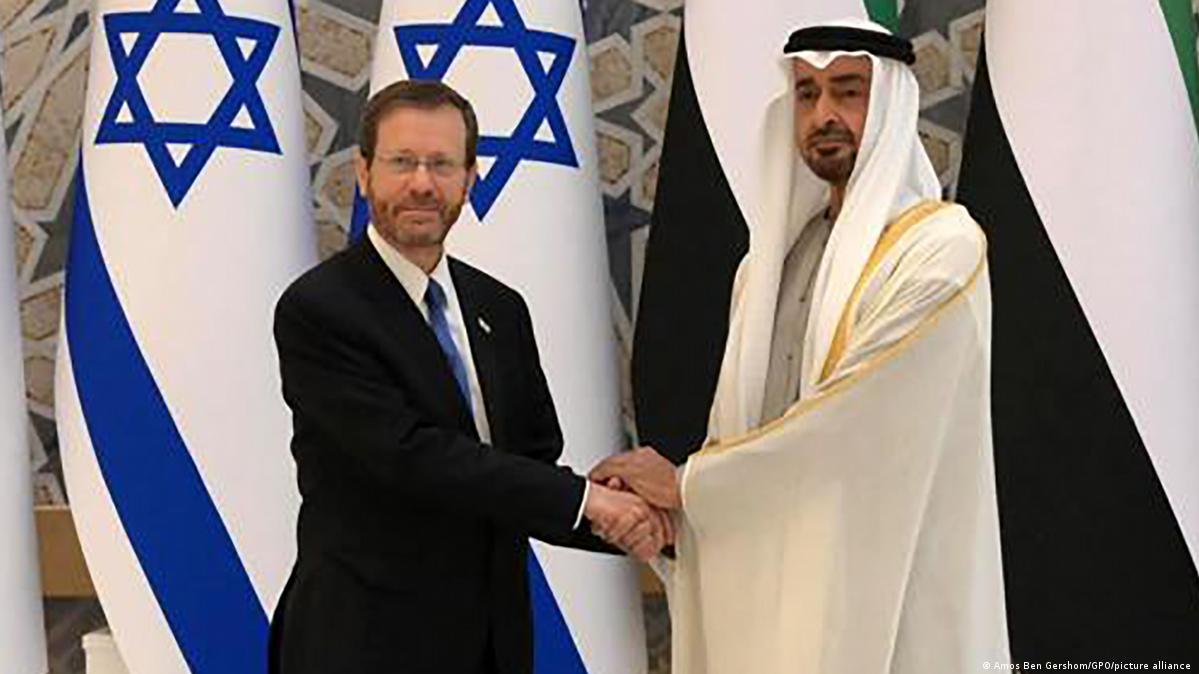
OCCUPIED PALESTINE, May 03 (YPA) – The features of an “Emirati-Israeli” alliance are unfolding, surpassing everything previously considered “red lines,” in a resounding scandal. The relationship has evolved from public ties into a direct field military partnership, sparking a wave of anger and unprecedented questioning across the Arab and Islamic street.
“Israeli” media reports revealed that Abu Dhabi is no longer even attempting to hide the nature of this alliance. Instead, it is moving publicly toward deepening and expanding it, reaching the level of operational coordination on the ground.
According to these reports, this makes the UAE the closest Arab partner to “Tel Aviv” at the present time.
Strategic Deepening and Operational Partnership
“Israel’s” Channel 12 reported that the UAE is no longer seeking to conceal the nature of its relations with “Israel,” as it moves openly toward “deepening the strategic alliance.” The channel noted that Abu Dhabi chose to expand this alliance to include an “operational partnership on the ground,” emphasizing that “the UAE has become Israel’s closest Arab partner today.”
The matter has not stopped at official statements. International reports have disclosed that the UAE has been provided with advanced weaponry systems, alongside a flow of sensitive and real-time intelligence information, within a framework of military cooperation described as the broadest and most dangerous of its kind between the two parties.
Deployment of Israeli Systems
In an even more serious development, there have been reports regarding the deployment of Israeli air defense systems within Emirati territory, accompanied by “Israeli” operating crews, during the recent aggression against Iran. This step reflects the transition of the relationship from mere “normalization” to a de facto and direct military alliance.
Regional Implications and Public Outrage
These moves are stirring a storm of criticism. Observers believe that what is happening represents an explicit involvement in complex regional alignments, raising sharp questions about the repercussions of this path on regional issues—foremost among them Palestine and Lebanon—and on the balance of conflict in the region.
In light of these developments, observers argue that what is occurring is no longer just political rapprochement, but rather a “direct involvement” in a regional project that is redrawing the balance of power.
This comes amid official silence met by mounting anger in the street, which views these steps as a dangerous violation of historical constants that were long considered untouchable red lines.
YPA