

“Israel” seeks to circumvent the ceasefire through negotiations with Lebanon—will it succeed?
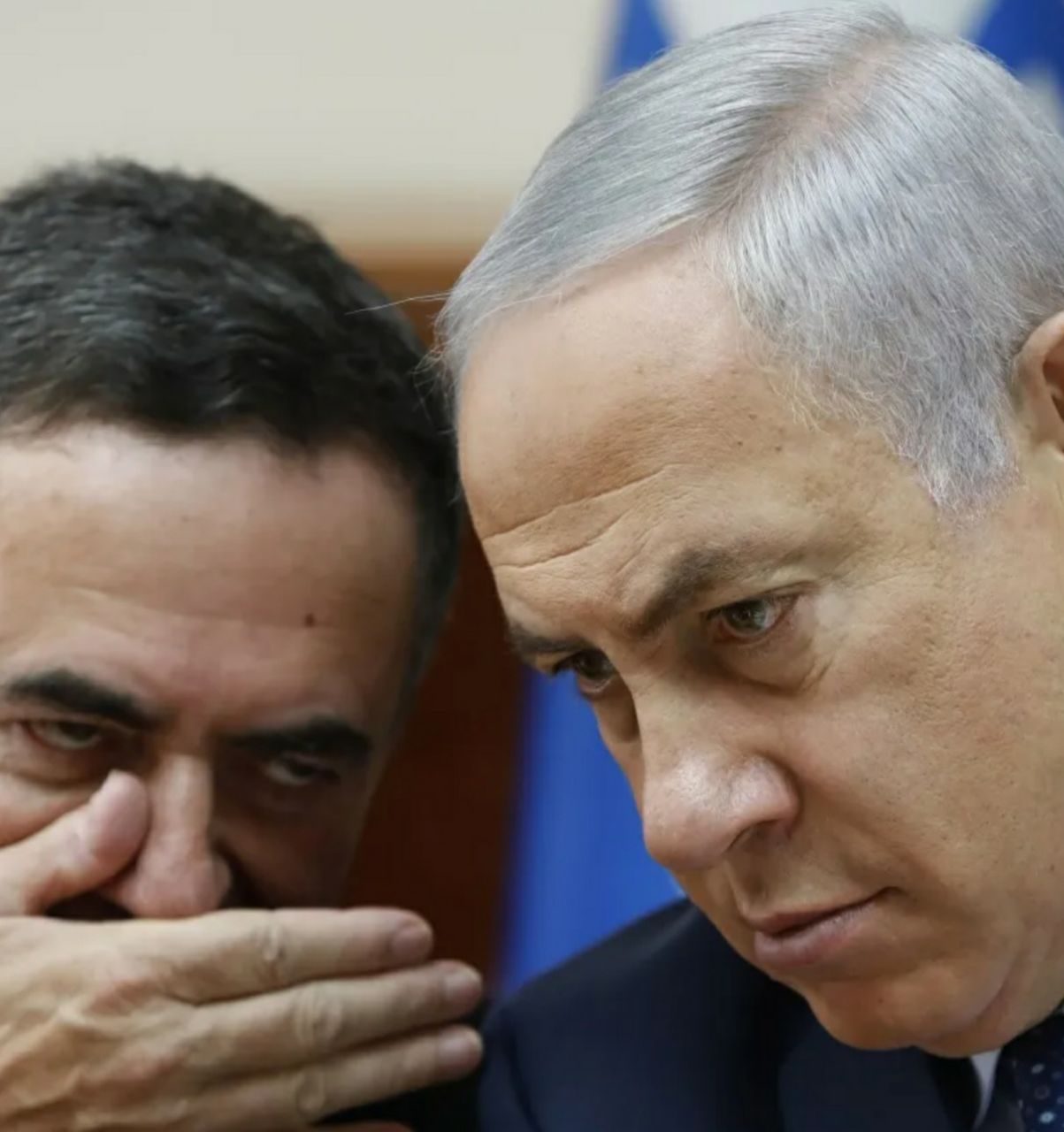
SANAA, April 10 (YPA) – Recent developments suggest that the Israeli occupation is attempting to circumvent the ceasefire agreement between Tehran and the United States by seeking to isolate the fronts and open direct negotiations with Beirut in an effort to impose its own conditions on Lebanon.
The window for the Lebanese resistance to establish deterrence and alter the rules of engagement in southern Lebanon—a stance Israeli enemy has tried to enforce since the ceasefire agreement with Lebanon in October 2024—has now closed.
In this context, Israeli Prime Minister Benjamin Netanyahu announced that he had instructed the Ministerial Council to immediately initiate direct negotiations with Lebanon.
He emphasized that these talks should focus on disarming the Lebanese resistance and establishing peaceful relations between the two countries. Meanwhile, Hebrew Channel 12 reported that these negotiations will proceed “under fire,” with the Israeli army prepared to continue attacks on multiple fronts in Lebanon.
Lebanon as a Core Component of the Ceasefire
With Israeli aggression ongoing in Lebanon, the upcoming Tehran-US talks scheduled in Islamabad face potential disruption if Israeli enemy persists in its violations. Iran has made clear that a halt to aggression in Lebanon is a prerequisite for any meaningful negotiations.
The Iranian Foreign Ministry reiterated today that the talks to end the war depend on an American commitment to a ceasefire on all fronts, particularly in Lebanon. They underscored that stopping the conflict in Lebanon is a fundamental part of the ceasefire understanding proposed by Pakistan.
Reports also mentioned an Iranian nighttime deadline to halt aggression in Lebanon following a Pakistani request.
Earlier, Iranian Assistant Foreign Minister Saeed Khatibzadeh stressed that any peace agreement in the region must include Lebanon, noting that the coming hours would be decisive. He affirmed that Iran’s participation in the Islamabad talks is conditional on Israeli enemy ceasing its attacks on Lebanon, adding that Iran had given the opposing side until the previous night to allow diplomatic efforts to proceed.
Additionally, Mohammad Bagher Ghalibaf, Speaker of the Iranian Shura Council, emphasized that Lebanon and the Resistance Front are integral to ceasefire efforts, highlighting this as the first point in the ten-point document. Ghalibaf noted that Pakistani Prime Minister Shahbaz Sharif publicly underscored the importance of protecting Lebanon, stressing that the issue cannot be ignored or reversed.
Will Israel’s Attempts Succeed?
It appears unlikely that Israel’s efforts will succeed. Iranian officials have consistently affirmed that the Lebanese front is inseparable from any ceasefire agreement and remains central to Tehran’s diplomatic and military strategy. Despite Israeli enemy’s rejection of this position, indicators suggest that the talks may fail to yield substantive progress, potentially returning the situation to a full confrontation.
Alternatively, conflict may persist in a different form between Israel enemy, Iran, and allied Axis countries—especially if the Trump administration opts to pursue an agreement with Iran that excludes Israel, as was previously the case in Yemen.
AA