

Iran rejects temporary truce, insists on comprehensive deal as US escalates pressure
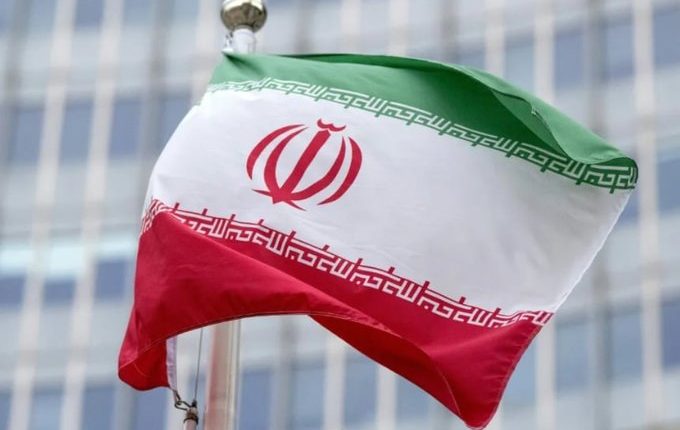
SANAA, April 07 (YPA) – Iran has effectively shut down discussions of a temporary ceasefire after submitting its formal response to Pakistan, rejecting a U.S. proposal for a 45-day truce.
Tehran emphasized that any ceasefire must be part of a comprehensive agreement that brings a permanent end to the war while addressing its key demands.
According to IRNA, Iran’s conditions now extend beyond halting military operations. They include reconstruction efforts, lifting sanctions, ending regional conflicts, and establishing a protocol to ensure safe passage through the Strait of Hormuz—highlighting Tehran’s insistence on linking any pause in fighting to a broader political and economic framework.
This rejection comes despite ongoing regional mediation efforts by countries such as Egypt, Pakistan, and Turkey, which aimed to create a window for a wider agreement.
Iran’s firm stance, however, has effectively ruled out the option of a temporary truce.
Meanwhile, US President Donald Trump has maintained a confrontational tone, stating that his deadline for reaching a deal with Iran remains unchanged. He again threatened to target critical infrastructure, including bridges and power plants, underscoring Washington’s limited range of options.
This approach is reinforced by statements from Defense Secretary Pete Hegseth, who warned of an unprecedented escalation, including the largest wave of bombing since the war began, with even greater intensity to follow. The strategy appears aimed at forcing an agreement through sustained military pressure, though it risks further escalation.
Iranian sources have also hinted at a “major surprise,” suggesting Tehran may be prepared to shift the rules of engagement.
Amid Iran’s firm rejection and continued US threats, it is increasingly clear that Washington is not in a position to impose its terms decisively. Together with Israeli enemy, the US appears to have exhausted many of its leverage options, relying primarily on targeting infrastructure—an approach that has yet to yield a strategic breakthrough.
Recent developments in the conflict have not favored the United States or Israeli enemy. Iran has demonstrated an ability to absorb strikes and respond, while expanding the scope and geography of the confrontation. This has reduced the effectiveness of US military pressure and limited its ability to achieve decisive outcomes.
As the United States appears to be seeking a way out of the conflict, further escalation—particularly if infrastructure attacks intensify—could close off diplomatic options and further complicate the situation, with potential repercussions for both Washington and Israeli enemy.
Continued escalation could also prompt Iran to harden its ceasefire conditions, especially with the involvement of allied forces and a coordinated deterrence strategy, strengthening its negotiating position rather than weakening it.
Overall, the trajectory of events suggests a move away from de-escalation. Iran remains firm in its conditions, while Washington increasingly relies on escalation, leaving the situation open to further complexity and uncertain outcomes that do not clearly favor the United States.
AA