

In response to threats, Tehran hints at withdrawing from NPT
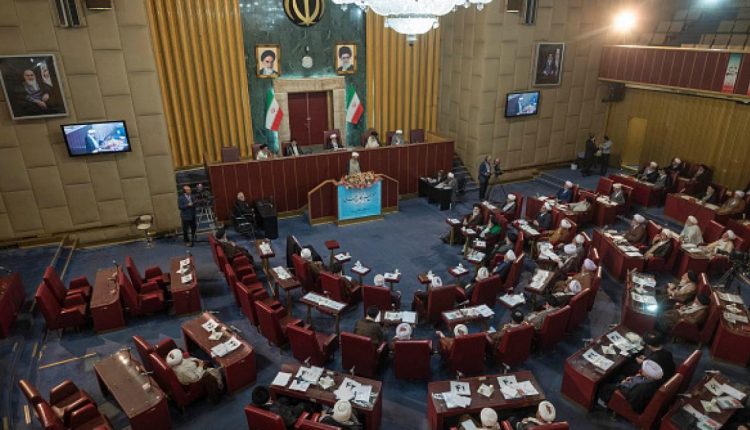
TEHRAN, March 29 (YPA) – The Iranian news agency “Tasnim” has revealed a serious inclination within state institutions to study Iran’s withdrawal from the he nuclear Non-Proliferation Treaty (NPT).
This move comes in response to a series of attacks targeting nuclear facilities and what Tehran describes as the biased positions of the International Atomic Energy Agency (IAEA).
Sources confirmed that the Parliament and sovereign bodies are urgently examining the feasibility of remaining in the treaty, amid a growing conviction that the agreement no longer provides the necessary protection for Iran’s peaceful nuclear program against Israeli and American threats.
Allegations Against Grossi: Incitement and Legitimization of Attacks
Iranian rhetoric toward IAEA Director General Rafael Grossi has intensified. Deputy Foreign Minister Kazem Gharibabadi accused Grossi of making “destructive statements” that indirectly encourage nuclear aggression against Iran.
Tehran maintains that the IAEA has failed to condemn sabotage operations carried out by the United States and “Israel.” Furthermore, Iranian officials claim that inspectors’ reports have effectively become a cover for espionage operations targeting Iran’s national security.
Implications of Iranian Withdrawal
Official circles in Tehran indicate that considering a withdrawal from the treaty does not signify a shift toward producing nuclear weapons. Instead, the move aims to halt what they term “espionage infiltration” conducted under the guise of international inspections.
Under Article X of the treaty—which Iran joined in 1970—any member state has the right to withdraw after giving three months’ notice to the UN Security Council and other parties. This option is now reportedly “on the table” more than ever before.
Historical and Legal Context
The NPT has been a cornerstone of international security since its adoption in 1968, currently boasting 186 member states. The treaty mandates that the IAEA provide peaceful nuclear technology to member states in exchange for non-proliferation guarantees.
Tehran argues that other parties have breached this “contractual” balance, leading to a loss of the treaty’s justification for the Iranian state amidst the current escalation.
YPA