

Amro Al-Beedh criticizes Saudi policy, reveals backstage details of Hadramout conflict from Britain
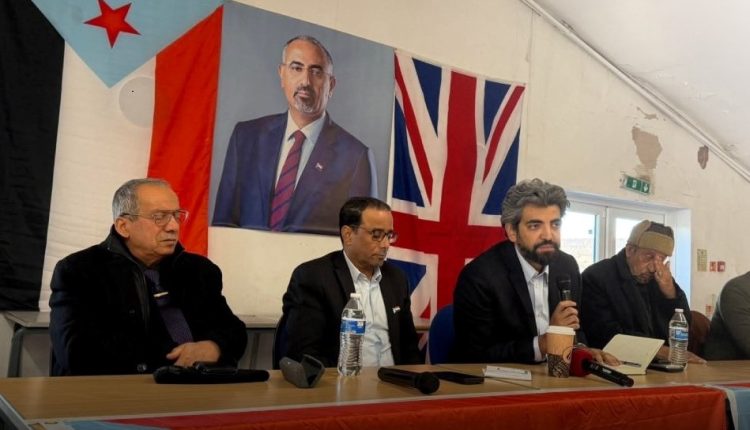
SHEFFIELD, Feb. 14 (YPA) – Amro Al-Beedh, a member of the UAE-backed Southern Transitional Council (STC) Presidency, launched a sharp and unprecedented attack on Saudi policy in Yemen, revealing for the first time the details of the intense conflict that unfolded in Hadramout Governorate (eastern Yemen) last December.
Speaking at an extensive gathering with members of the southern community in Sheffield, UK, on Saturday, Al-Beedh clarified that the military movements by STC factions in Hadramout late last year were directly aimed at “securing the Valley districts (Wadi Hadramout).”
Addressing the backstage tensions with Riyadh, Al-Beedh disclosed that negotiations had reached a deadlock, stating, “We attempted to offer flexible settlements and concessions during the December events in Hadramout. However, the Saudi side met us with extreme intransigence, demanding the final and complete withdrawal of STC-aligned factions from the governorate.”
Al-Beedh expressed astonishment at the inconsistent Saudi approach toward the Council’s factions, noting that Riyadh deals with these units normally in Aden. He questioned provocatively: “How could they be considered a threat in Hadramout?”
On the internal front, Al-Beedh announced an official move toward restructuring the STC and reviewing previous operational mechanisms. He framed this step as a necessary response to the complexities and pressures of the current stage.
A notable moment occurred during the meeting when Al-Beedh received a direct phone call from the Council’s President, Aidarus al-Zubaidi, in front of the attendees. The call comes at a time when Al-Zubaidi’s whereabouts remain shrouded in mystery, amid reports of his presence in Abu Dhabi following statements made by Saudi-led Coalition spokesperson Brigadier General Turki Al-Malki last month.
These bold statements come just one week after Al-Zubaidi delegated his powers to Amro Al-Beedh in his capacity as “Special Representative for Foreign Affairs.”
This shift occurs under exceptional circumstances for the Council, characterized by the summoning of most Council leaders to Riyadh since early January, Saudi efforts to facilitate a “South-to-South” dialogue within the Kingdom, and frequent reports suggesting that Saudi authorities have placed restrictions on the movement of the Council’s top-tier leadership.
YPA