

Sanaa forces intensify strikes on Saudi-backed military buildups
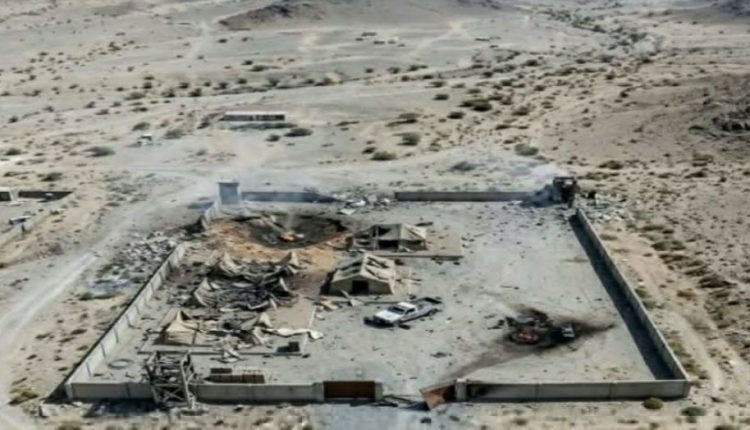
SANAA, Aug. 17 (YPA) – Since August 6, Yemen’s Sanaa-based armed forces have continued operations targeting Saudi-backed military buildups, carrying out around ten attacks across the Al-Wadiah, Marib and Mocha fronts.
The targets have included not only military concentrations but also weapons depots, command centers, operations rooms and warboats.
The continued attacks across multiple fronts suggest ongoing monitoring of military movements and the locations of troop concentrations, command centers and supply lines.
The diversity of targets indicates that the operations are aimed not only at inflicting casualties among Saudi-backed forces, but also at disrupting command and control, supply lines and combat capabilities.
Repeated strikes over a short period and across several fronts demonstrate Sanaa’s ability to monitor and target military buildups before they can develop into offensive forces, while creating a deterrent equation in which any large-scale military movement could face surveillance and attack.
Impact of the Strikes
On the ground, continued strikes could significantly constrain any potential ground operation Saudi Arabia might seek to launch through its affiliated forces. Repeated attacks on troop concentrations, weapons depots, command centers and operations rooms could weaken combat readiness, disrupt command and control, strain supply capabilities and increase the risks of concentrating troops in exposed areas.
The widening scope of the attacks across multiple fronts could also make it difficult to assemble and maintain a large force without exposing it to strikes. This could prompt military leaders to reconsider their plans before moving from mobilization to a large-scale ground operation, turning the buildups from a potential launchpad for an offensive into a military burden requiring protection and resources.
Declining Capabilities
Against this backdrop, continued targeting could gradually exhaust these forces and weaken their cohesion and combat capabilities, leaving them less able to withstand Sanaa forces, particularly if the latter escalates further and launches a large-scale ground offensive.
As this pattern continues and its effects accumulate, the forces’ ability to defend and hold their positions could decline, potentially leading to a faster collapse on the battlefield if they face a major ground assault while already severely depleted.
Thus, the continued targeting of military buildups could have an impact beyond disrupting a specific military operation. Over time, it could transform these buildups from a potential prelude to an offensive into a source of pressure and attrition that weakens their ability to take the initiative, reduces their readiness and leaves them more vulnerable to any major ground escalation.
AA