

Doha–Beijing diplomacy raises prospects of Tehran–Washington deal
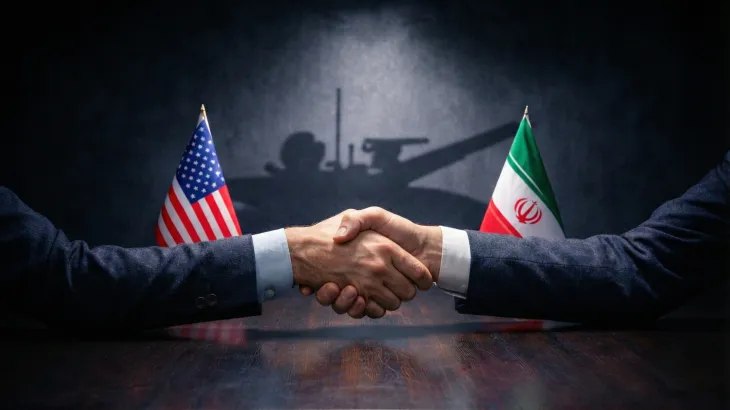
SANAA, May 25 (YPA) – Regional and international diplomacy surrounding the Iranian file is accelerating amid growing speculation that Tehran and Washington may be approaching a new agreement capable of reshaping the region’s political and security landscape.
In the latest developments, a senior Iranian delegation headed by Parliament Speaker Mohammad Bagher Ghalibaf departed Monday for Doha for talks described by Iranian media as part of an ongoing diplomatic track supported by Pakistani mediation efforts aimed at reaching understandings to end the current conflict.
According to reports, the delegation is expected to hold discussions with senior Qatari officials on sensitive issues linked to negotiations aimed at ending the war.
Iranian officials have stressed that Tehran’s immediate priority remains halting military escalation and ending hostilities rather than focusing on detailed nuclear negotiations.
Iranian Foreign Ministry spokesman Esmail Baghaei said negotiations had achieved progress on several issues but cautioned that it was still too early to speak of an imminent agreement.
He added that ending conflicts on multiple fronts, including Lebanon, remains central to any future understanding.
Meanwhile, a high-level Pakistani delegation led by Prime Minister Shehbaz Sharif and Army Chief Asim Munir arrived in Beijing, highlighting China’s growing role in mediation efforts as several countries seek to position themselves as guarantors of any future agreement with the United States.
From Washington, Donald Trump expressed cautious optimism over the negotiations, saying talks with Iran were “going well” and could produce “a great agreement for everyone,” while warning that failure could lead to renewed military escalation “bigger and stronger than ever.”
Trump also urged several Arab and regional countries — including Saudi Arabia, Qatar, Pakistan, Turkey, Egypt, Jordan, and Bahrain — to join the Abraham Accords, hinting that Iran itself could potentially be included if an agreement with Washington is achieved.
The diplomatic activity comes days after Tehran hosted delegations from Qatar and Pakistan, as attention turns to the possibility of a broader agreement that could end the conflict and pave the way for reopening the Strait of Hormuz, one of the world’s most strategically important energy routes.
Despite the intensified pace of negotiations and diplomatic visits, unresolved issues continue to cast uncertainty over the talks as mediators and regional backers work to narrow remaining differences and secure a final deal.