

Military withdrawals and escalating disputes: Iran war upends Washington’s relations with allies
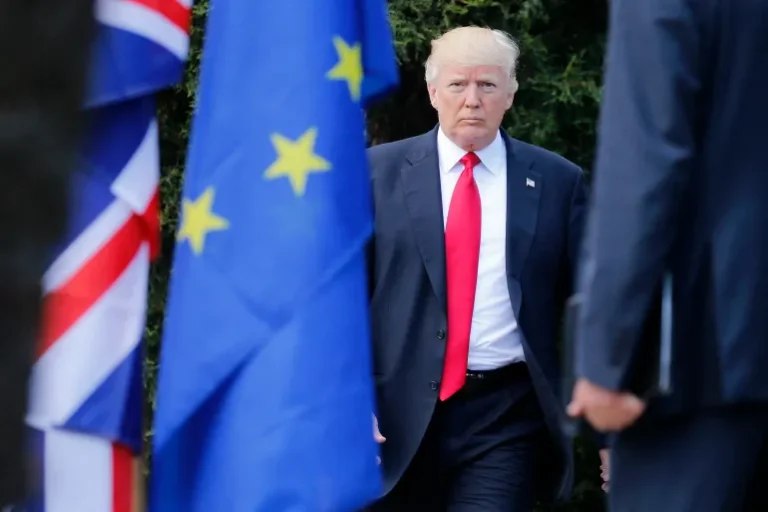
WASHINGTON, May 09 (YPA) – The rift between the United States and its traditional allies is widening amid escalating moves led by Donald Trump.
At the forefront of these actions is the withdrawal of US forces from Germany and hints at reducing military presence in other European nations—steps that observers believe could redraw the map of international alliances and leave repercussions far exceeding the impact of the recent confrontation with Iran.
Despite growing indicators that Washington and Tehran are approaching a political exit from the crisis after weeks of military escalation, Trump’s decisions and rhetoric have sparked widespread concern among US partners in Europe, the Middle East, and Asia regarding the reliability of American commitments and its capacity to manage international crises.
Tension within NATO
In Europe, tension has escalated within the halls of NATO following Washington’s involvement in military aggression against Iran, accompanied by disruptions in energy markets and mounting disputes over defense burden-sharing and trade policies. Frequent American criticism of European allies and decisions to scale back troop levels have heightened fears regarding the future of the “Collective Defense” principle upon which the alliance is built.
Political assessments suggest that some European capitals have already begun reviewing their security calculations by expanding armament programs and strengthening independent defense projects, in anticipation of any potential American retreat from military commitments on the continent.
Regional Concerns: The Middle East and Asia
Anxiety has also spread to the Gulf and the Middle East, where limited American performance in the face of Iranian attacks on Washington’s allies has raised questions about the US willingness to defend its regional partners. This is particularly true amid growing fears that any potential settlement with Tehran might come at the expense of the security interests of regional states.
In Asia, doubts among Washington’s allies have intensified alongside economic pressures imposed by the US administration, including tariffs and trade disputes. This has prompted regional parties to question the United States’ ability to fulfill its security pledges should major crises erupt with rival powers.
Shifting Global Balances
In contrast, China and Russia are moving to capitalize on this growing divergence between Washington and its allies by expanding their political and military influence and positioning themselves as more stable partners in the international system.
American analysts warn that the continuation of this approach could accelerate deep shifts in the global balance of power and lead to the weakening of traditional American influence, at a time when international alliances are entering an unprecedented phase of reshaping not seen since the end of the Cold War.
YPA