
Sayyed Khamenei: “Gulf enters new chapter as US influence nears its end”
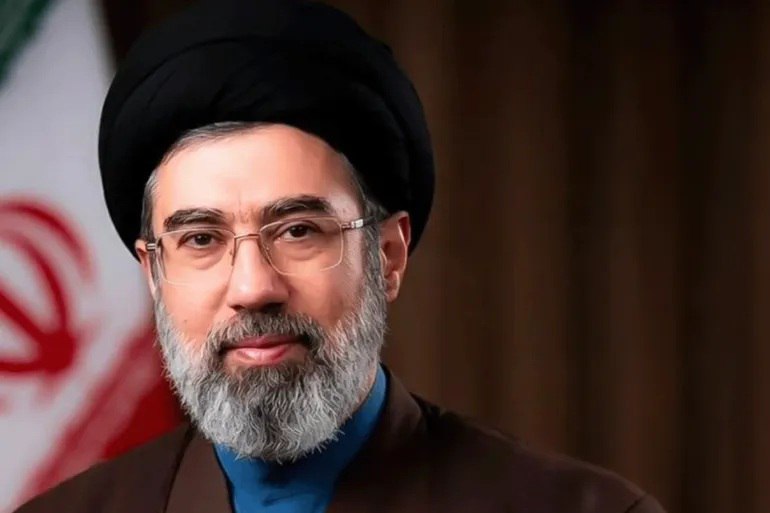
TEHRAN, April 30 (YPA) – Iran’s Supreme Leader Ali Khamenei said the Gulf region has entered a “new phase” in regional dynamics, arguing that recent U.S. military buildup and what he described as its “failures” reflect shifting power balances.
In a statement marking the “National Day of the Persian Gulf,” he emphasized that the Gulf is not only a strategic waterway but also part of the cultural identity of regional peoples, as well as a critical artery for global trade through the Strait of Hormuz and the Gulf of Oman.
Sayyed Khamenei accused the United States and European countries of being responsible for longstanding instability in the region, saying its geographic importance has made it a persistent focus of major power competition.
He highlighted Iran’s historical role along the Gulf, citing milestones such as the expulsion of Portuguese forces from the Strait of Hormuz and resistance to colonial influence, and pointed to the 1979 Islamic Revolution as a turning point that reduced external dominance over the region.
Iran’s Supreme Leader further argued that the continued presence of U.S. forces is the main driver of insecurity, claiming that American bases are no longer capable of ensuring protection for themselves or their allies. He added that the region’s future, in his view, should be free of foreign military presence and oriented toward development and cooperation.
He also stressed the shared interests among Iran and neighboring Gulf and Arabian Sea states, insisting that external powers have no legitimate role in regional affairs.
In related remarks, Sayyed Khamenei said Iran’s “resistance policies” have contributed to shaping a new regional and international order, and that Tehran’s influence now extends beyond its borders into the broader Islamic world.
He reiterated that Iran will continue to safeguard its nuclear and missile capabilities, describing them as national assets, and said Tehran aims to ensure security in the Gulf through management of the Strait of Hormuz and preventing external exploitation of the waterway.
Leader Khamenei concluded that a new framework for managing the Strait, based on legal principles, would enhance regional stability and expand economic opportunities.
AA