

Aggression against Iran: How did it reveal first signs of erosion of US hegemony?
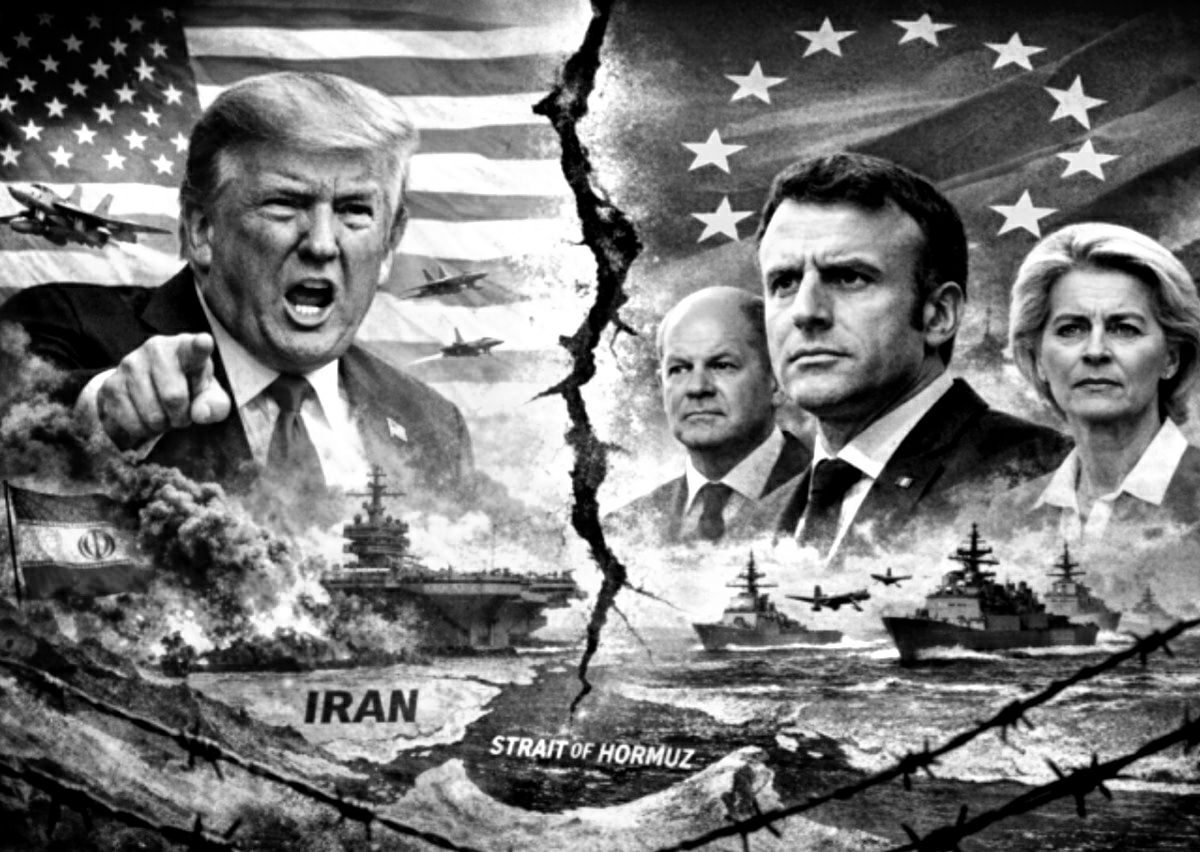
SANAA, April 01 (YPA) – Amidst the ongoing American–“Israeli” aggression against Iran, which commenced on February 28, features of a striking shift in the positions of several of Washington’s traditional allies have begun to unfold.
This reflects the first signs of the erosion of American hegemony, particularly regarding its ability to mobilize broad international support for its wars.
Military Engagement Rejected: “Not Our War”
Less than two weeks after operations began, and as the repercussions of the war escalated within energy markets leading to a spike in oil prices, US President Donald Trump called upon several countries—including key allies—to dispatch naval vessels and participate in reopening the Strait of Hormuz. However, this call was met with a clear refusal.
Several prominent European nations expressed their reluctance toward direct military involvement. Germany announced an explicit stance by refusing to send frigates, with its Defense Minister asserting, “This is not our war.” Similarly, the United Kingdom sought to avoid being dragged into a broader escalation, resisting American pressure to participate.
On a broader level, the European Union’s position reflected a state of hesitation and collective rejection of military intervention, amid reports of European resentment regarding attempts to burden them with the cost of securing the Strait of Hormuz. This refusal was not limited to Europe; both Japan and Australia announced they would not participate in any military coalition led by Washington in this context.
Restrictions on American Military Movements
Alongside the military refusal, stricter measures have recently emerged, manifested in restricting the use of airspace and military bases for the United States—a precedent reflecting an unprecedented level of divergence between Washington and its allies.
- Spain took the most stringent stance, announcing the complete closure of its airspace to any operations related to the war on Iran and prohibiting the use of its military bases, including “Rota” and “Morón.” Madrid described the war as “illegal and unjust,” confirming its rejection of all associated flight plans, including refueling aircraft. This position triggered a sharp reaction from US President Donald Trump, who hinted at severing trade ties with Spain.
- France, while not announcing a similar official decision, has been the subject of reports indicating its refusal to allow the passage of aircraft heading to “Israel” carrying American weapons linked to military operations.
- Italy faced similar pressure but refused to allow American bombers to land at the Sigonella base in Sicily, citing the absence of a clear mandate for participating in the war.
A shift in Allies’ Behavior
Collectively, these positions reflect a notable shift in the behavior of US allies, who have become more inclined to distance themselves from conflicts that impact their direct interests—especially given fears of broad economic and security repercussions, primarily the energy crisis and the potential for regional escalation.
This divergence is not merely a tactical disagreement; it indicates a deeper change in the nature of the relationship between Washington and its allies. Compliance with American demands is no longer as automatic as it once was; instead, it has become subject to precise national calculations.
The developments surrounding the aggression against Iran reveal that the United States’ ability to impose its military agenda on its allies is no longer absolute.
The international order is gradually witnessing a rebalancing, evidenced by this growing refusal to engage in or facilitate the war. While these indicators are preliminary, they reflect the beginning of a trajectory that may redraw the features of American global influence.
YPA