

Aramco delays restart of Jizan refinery by two weeks following July attack
SANAA, Aug. 11 (YPA) – In a development highlighting the economic repercussions of attacks on Saudi oil facilities, Saudi Aramco has postponed the preliminary restart date for the Jizan refinery by about two weeks, indicating that the effects of the damage sustained in an attack on the facility late last July are continuing.
Reuters reported on Monday, citing a memorandum from IIR, a service specializing in monitoring the oil sector, that the refinery’s new expected restart date has been set for August 30, 2026, instead of the previous target of mid-August.
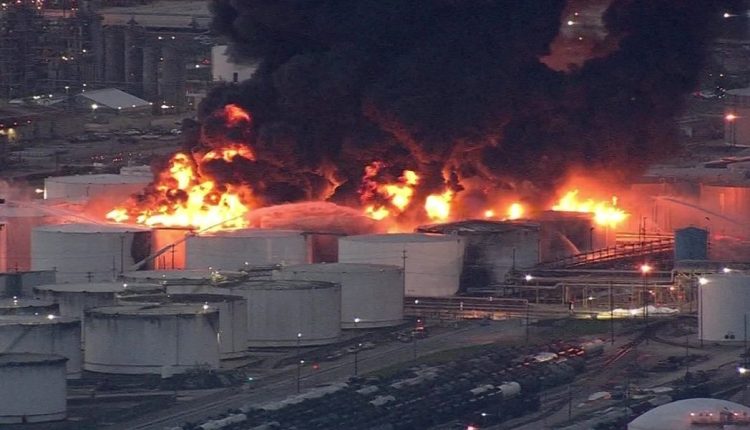
The move comes as the refinery, located in southwestern Saudi Arabia, has remained offline since July 27 following an attack by Sanaa forces that targeted facilities within the oil complex. According to available reports, the attack damaged the integrated gasification combined-cycle complex and tank farm.
400,000 Barrels per Day Offline
The Jizan refinery is strategically important to Saudi Arabia’s energy system, with a refining capacity of around 400,000 barrels per day and a key role in supplying petroleum products to the domestic market.
Its continued shutdown means that part of this refining capacity remains offline, as Saudi oil facilities have become increasingly sensitive military and economic targets amid the confrontation with Sanaa.
An earlier notice from the specialized oil-sector service had indicated that the refinery remained offline following the attack without specifying a clear restart date. A mid-August target was later announced before being postponed to the end of the month.
New Fire Raises Questions
The situation was further complicated by the Saudi Energy Ministry’s announcement on Sunday that industrial security firefighting teams at Aramco had extinguished a fire that broke out at one of the Jizan refinery’s facilities.
Despite announcing that the fire had been brought under control, the ministry did not disclose details about the extent of the damage or its impact on the refinery’s restart schedule, raising questions about the facility’s technical condition and the actual timeline for its return to operation.
The continued shutdown of a facility with a capacity of 400,000 barrels per day therefore appears to extend beyond a temporary technical delay, taking on broader military and economic significance as Sanaa seeks, through attacks on vital infrastructure, to shift the cost of the confrontation toward the heart of the Saudi economy, particularly its energy sector.
AA