

Saudi maritime coalition echoes failed alliance scenarios against Sanaa
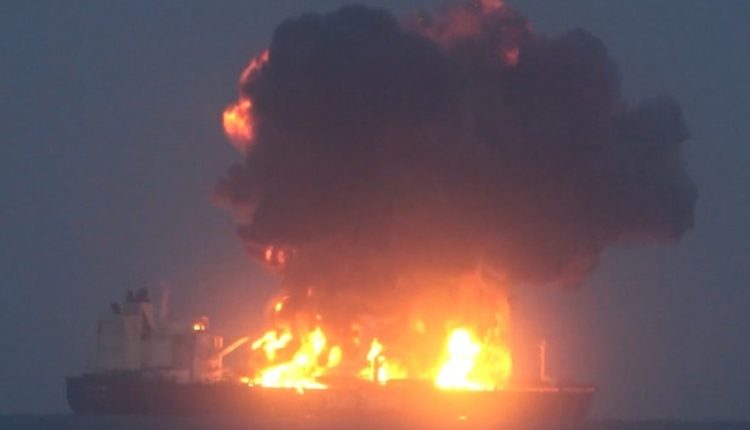
SANAA, July 31 (YPA) – In a move reminiscent of previous maritime coalitions that failed to break the equation imposed by Sanaa in the Red Sea, Saudi Arabia is examining the formation of a multinational maritime coalition to confront Sanaa, which is enforcing a naval blockade on Riyadh.
This comes at a time when the region appears to be facing the prospect of repeating an experience that facts have proven incapable of altering the course of the confrontation.
International coalitions have previously been formed under the banners of protecting navigation and securing maritime corridors, yet they were unable to achieve their objectives against Sanaa forces. Prominent among these efforts was the European Union’s mission “Aspides,” which came as an attempt to lift the ban imposed by Sanaa on shipping linked to the “Israeli entity” in support of Gaza. However, the mission failed to achieve its goal and was never able to restore “Israeli” navigation to its former status, as this ban remained in effect until the announcement of a ceasefire in Gaza in October 2025.
The same applies to the confrontation engaged by the United States in the Red Sea. Washington threw its military and naval weight into an attempt to support the “Israeli entity” and halt Sanaa’s operations; nonetheless, American force failed to impose its objectives or end the operations. The confrontation ultimately led to an agreement with Sanaa that halted the escalation, in a result that reflected the failure of the military option to achieve what Washington sought.
From this standpoint, proposing a new maritime coalition led by Saudi Arabia reproduces an option previously tested by major international powers without succeeding in breaking the equation imposed by Sanaa. This raises the question regarding the feasibility of repeating the exact same experience, and whether the new coalition will be capable of achieving what the United States and previous international alliances failed to accomplish.
However, the most dangerous aspect of any new coalition is not tied solely to the outcomes of military confrontation, but rather to the repercussions that may arise from reigniting Bab al-Mandab and the Red Sea. This region represents a vital corridor for global trade, and any widespread escalation could threaten international navigation and heighten supply chain disruptions, thereby impacting the global economy.
Furthermore, the entry of new countries into this coalition could expose them to direct repercussions. Their involvement in confronting Sanaa might place their vessels and maritime interests within the target range, in accordance with the equation announced by Sanaa regarding its handling of countries participating in any coalition targeting it.
Thus, the maritime coalition being examined by Saudi Arabia may be nothing more than a reproduction of past alliances that ended in failure against Sanaa. Meanwhile, repeating the experience could widen the circle of confrontation and transform the Red Sea and Bab al-Mandab into an open arena of escalation—carrying risks that extend beyond the conflicting parties to impact international shipping and the global economy.
YPA