

Sanaa’s blockade on Riyadh is having effects: ships turn back, oil surges, flights canceled
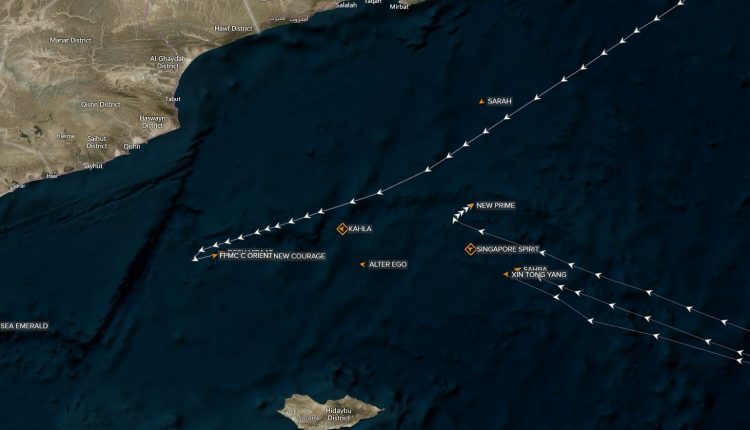
SANAA, July 22 (YPA) – The effects of the naval blockade imposed by Sanaa on Saudi Arabia have rapidly begun to manifest, as vessels start altering their routes and taking precautionary measures to avoid being targeted.
This comes in tandem with international airlines suspending flights to Riyadh airport and global oil prices surging—indicators that the “siege-for-siege” equation declared by Sanaa forces is beginning to impose its repercussions on Saudi Arabia’s trade, energy, and travel sectors.
Within the first hours of the decision taking effect, a military source in the Ministry of Defense under the Sanaa government confirmed the turnback of six ships within 24 hours, following warnings from the Yemeni Armed Forces against dealing with Saudi ports.
Meanwhile, “Reuters” news agency reported that two tankers loaded with Saudi oil turned back in the Red Sea, noting that shipping companies received messages warning them against loading or unloading cargo at Saudi ports, and that non-compliant vessels could become targets within the operational zone of Yemeni forces.
In another sign of the warnings’ impact, commercial vessels have begun taking precautionary measures to avoid being targeted in the Bab al-Mandab Strait. Ships are broadcasting detailed information via the Automatic Identification System (AIS) regarding the nationality of their crews, including explicit indicators of having no ties to Saudi Arabia, in an effort to avoid misidentification or targeting. This reflects the growing anxiety weighing on maritime navigation linked to Saudi ports.
The fallout of the blockade is not limited to maritime traffic; the developments have quickly resonated across energy markets. CNN reported a rise in global oil prices, with Brent crude climbing 1.8% to $90.85 per barrel and West Texas Intermediate (WTI) rising by the same percentage to $83.97.
This comes at a time when Saudi Arabia relies on the port of Yanbu to export nearly 4 million barrels per day, approximately 2.5 million of which pass southward daily through Bab al-Mandab, according to data from “Rystad Energy”—making this vital route vulnerable to the repercussions of the Yemeni blockade.
In parallel, the effects of the escalation have begun extending to the aviation sector, with “Air France” announcing the suspension of its flights to Riyadh airport. This step comes amid mounting fears of the widening fallout from the escalation between Sanaa and Riyadh.
As Sanaa forces reaffirm their readiness to counter any Saudi escalation with a “comprehensive and harsh escalation,” initial indicators suggest that the continuation of the blockade on Yemen could open the door to broader consequences affecting Saudi Arabia’s economic, maritime, and aviation interests.
YPA