

From threats to economic confrontation: Sanaa leverages new pressure card to lift blockade on Yemen
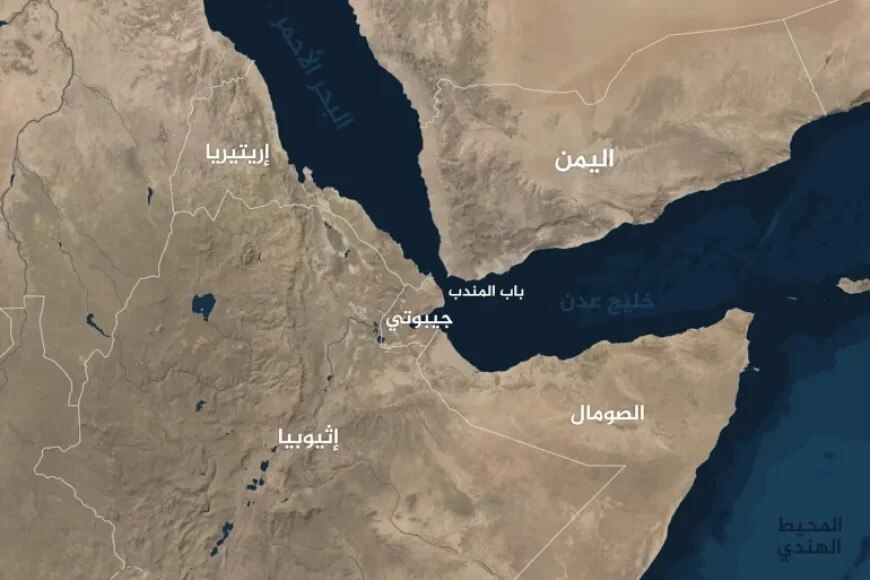
SANAA, July 20 (YPA) – Between bold operational calculations and the squeeze on arterial waterways, Sanaa’s decision to impose a total maritime embargo on Saudi navigation represents a qualitative shift in the region’s conflict dynamics.
This announcement is not merely rhetorical escalation or a display of force; rather, it reflects a strategic shift toward relocating the weight of the confrontation to the economic and maritime domain in the Bab al-Mandab Strait.
The decision opens thorny files concerning the ability of field options to disrupt commercial oil transit, alongside the motives behind deploying this strategic card at a critical regional juncture.
On Monday, the Yemeni Armed Forces announced in an official statement the entry into force of a complete and comprehensive blockade on Saudi-linked maritime navigation in surrounding waterways. The move enforces the principle of “blockade for blockade, and escalation for escalation,” coming as a response to the continuation of the blockade on Yemen.
The decision seeks to render the cost of the economic blockade mutual, with Sanaa denying access to the maritime arteries of Saudi trade in exchange for the restrictions imposed on Yemeni ports—particularly as Yemen exercises direct oversight over the Bab al-Mandab Strait and the southern Red Sea to enforce strict restrictions on ship and tanker movements traveling to and from Saudi ports.
This maritime pressure card serves as a primary lever to compel Riyadh to finalize comprehensive de-escalation agreements and completely end the blockade.
The decision announced by Sanaa plays a role in driving shipping and maritime insurance companies to raise war risk premiums or reroute traffic away from the Red Sea and Bab al-Mandab for Saudi trade. It also impacts commercial activity at Saudi Arabia’s Red Sea ports, such as Jeddah and Yanbu. Should Saudi vessels be forced to divert around the Cape of Good Hope, costs will double, compounding freight charges and transit times, which directly impacts export and import prices.
The Bab al-Mandab Strait stands as one of the world’s most vital energy choke points. Saudi oil transit figures through the strait show that between 3 to 4 million barrels per day of crude oil and refined products pass through, bound for European and Western markets.
Saudi maritime exports passing through the corridor account for an estimated 10% to 15% of Riyadh’s total seaborne oil exports.
The Red Sea maritime corridor and the Bab al-Mandab Strait face a new phase of reshaping the rules of engagement and deterrence balances. While regional and international observers await the implementation mechanisms of this decision on the ground, one thing remains certain: the maritime navigation card has transformed from a side arena into the primary lever for political and economic files, leaving the entire region on high alert for the next move.
This strategic transition from verbal threats to enforcing a direct maritime embargo places the economic equation at the heart of the confrontation.
With this complex file now open against shipping and energy transport, the ball is firmly in the court of regional and international mediation to prevent the expanding scope of naval clashes and avoid a new wave of volatility in the global oil market.
It can be said that all eyes are turned toward the waters of the Red Sea to monitor how the “blockade for blockade” equation reflects on tanker movements—a step that demonstrates once again that the geographical weight of Bab al-Mandab will remain the most critical and formidable factor in the region’s balance of de-escalation or escalation.
YPA