

Sanaa escalates rhetoric, warns Saudi Arabia of third defeat in ongoing tensions
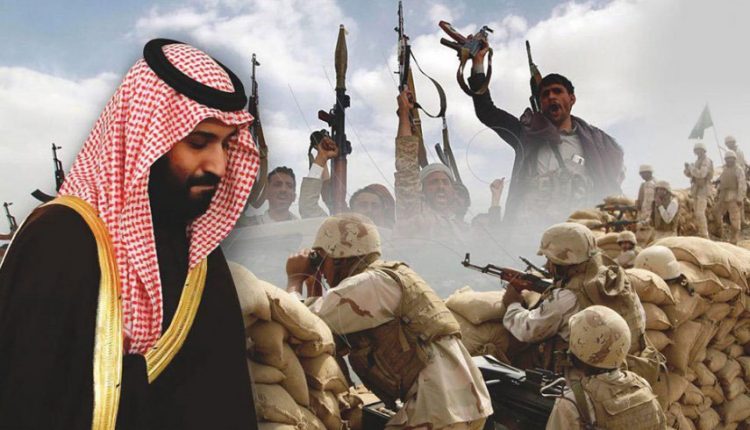
SANAA, July 06 (YPA) – Sanaa has escalated its rhetoric toward Riyadh in a new political development, accusing Saudi Arabia of prolonging the peace process and fueling tribal and sectarian divisions in Yemen, while continuing to use the blockade as a pressure tool despite ongoing discussions about de-escalation and truce.
Mohammed Al-Farrah, a member of the political bureau of Ansarullah, said in a series of posts on X that Saudi Arabia has suffered two strategic defeats during the years of war and now faces a “third defeat” if it persists with military, economic, and political pressure instead of engaging in genuine peace requirements.
He argued that Riyadh miscalculated from the outset by betting on a swift military victory to secure influence over Yemen, saying this approach resulted in prolonged attrition and strategic losses.
He added that Saudi policy has since shifted to maneuvering, combining de-escalation with continued economic pressure and blockade measures.
Al-Farrah further stated that Saudi Arabia has exhausted all its options—from relying on time and military pressure to banking on regional shifts and US support—without achieving its objectives, while Sanaa has instead strengthened its political and military position.
He also accused Riyadh of using the peace process as a cover for delay tactics aimed at preserving its gains and reshaping its position, rather than fulfilling key obligations such as lifting the blockade, addressing humanitarian issues, and withdrawing from areas considered occupied by Sana’a.
The Yemeni official stressed that Sanaa will not accept any agreement that compromises sovereignty or national rights, warning that continued delays could lead to a new phase of escalation, and emphasizing that Yemen retains broad options for response if confrontation is imposed.
In another post, Al-Farrah rejected what he described as Saudi assumptions that Ansar Allah could be eliminated by force, stating that the movement represents a broader national and ideological current rooted in the Qur’anic framework, positioned—according to his characterization—in defense of regional causes, foremost among them Palestine, as well as Yemeni independence and rejection of external guardianship.
He concluded that any attempt to subdue Yemen through military force, financial pressure, or external backing would fail, urging Saudi Arabia to adapt to the new reality and pursue a peace based on parity and respect for sovereignty rather than continued delay and failed calculations over the past eleven years.