

US fuel bill rises by $60 billion due to aggression on Iran
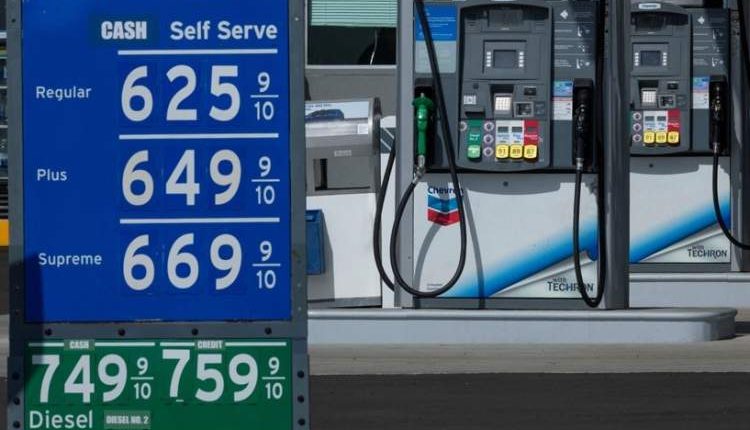
WASHINGTON, June 20 (YPA) – A recent American report revealed that consumers in the United States have incurred additional financial losses amounting to approximately $60 billion in gasoline and diesel bills since the outbreak of the Zionist-American aggression on Iran on February 28, 2026.
The report, issued by Brown University under the title “Tracking War Energy Costs” and published by The New York Times, explained that this record increase is a direct result of the sharp spikes in global fuel prices caused by tensions in vital energy corridors due to this aggression—specifically the closure of the Strait of Hormuz, which disrupted global supply chains.
According to data and information relied upon by researchers at the Watson Institute for International and Public Affairs at Brown University, this aggression has placed an additional burden estimated at $460 on the average American household since the start of the war, distributed as $33 billion for gasoline and $27 billion for diesel.
The report highlighted the phenomenon of “hidden inflation” stemming from the Zionist-American aggression on Iran. When fuel prices rise, losses are not confined to paying extra amounts at gas stations; rather, they extend to a rise in the cost of goods. Since diesel is the backbone of the economy, an increase in its price inevitably means higher costs for transporting food and essential goods, thereby driving up the overall Consumer Price Index (CPI).
The report also pointed to the erosion of citizens’ purchasing power, explaining that the $460 additional burden borne by each household for fuel bills consisted of funds originally earmarked for consumption or savings. This signifies a real decline in the standard of living for the middle and poor classes.
Furthermore, the report disclosed that the US economy, despite its massive scale, remains hostage to the stability of waterways in the region. The fact that the bill for this “aggressive war” has reached the citizens’ pockets creates domestic political pressure on decision-makers in the White House, which could alter calculations regarding continued military escalation and push toward seeking diplomatic solutions that ensure the flow of energy.
YPA