

UAE-Saudi tensions cast shadow over future of GCC
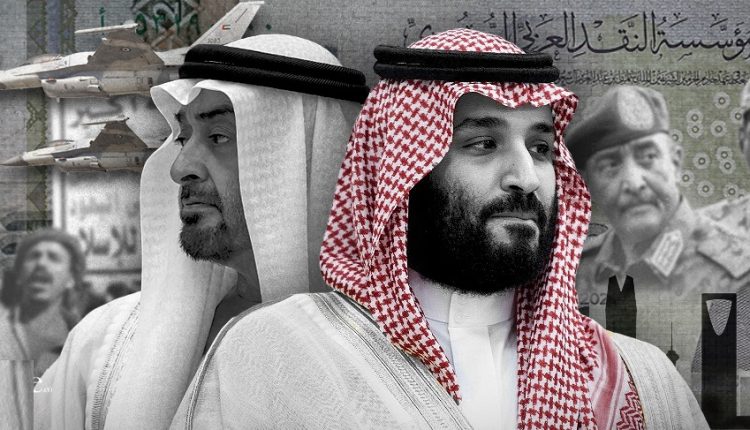
JEDDAH, April 29 (YPA) – The recent consultative summit in Jeddah has highlighted a significant diplomatic escalation within the Gulf Cooperation Council (GCC).
According to reports from Reuters, UAE officials have criticized the council as becoming “gradually weaker,” with sources signaling a potential withdrawal from the bloc amid intensifying friction with Saudi Arabia.
This friction became particularly evident during discussions on regional security. The UAE reportedly expressed reservations regarding a unified “collective defense” framework. Consequently, the summit’s final communique reflected this lack of consensus by affirming the right of member states to defend themselves “either collectively or individually.”
Beyond defense policy, this diplomatic rift is rooted in a broader divergence of strategic and economic interests. Abu Dhabi has increasingly sought to bolster its international and regional security partnerships independently, moving away from the traditional GCC umbrella. Furthermore, these tensions are seen as an extension of ongoing disputes over oil policy within OPEC and a growing competition for regional economic influence.
Ultimately, these developments represent a critical test for the cohesion of the six-nation council, as key members prioritize strategic autonomy over long-standing multilateral cooperation.
YPA