
Collective punishment of Palestinian prisoners carried out inside Israeli prisoners
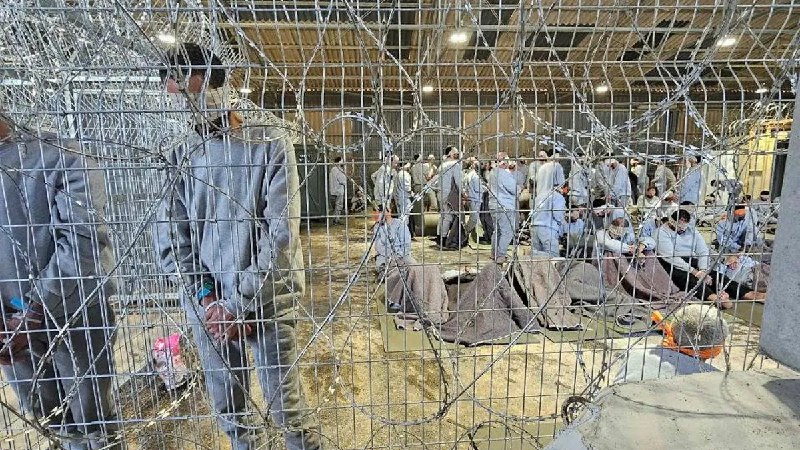
GAZA, April 28 (YPA) – Palestine’s Center for Prisoner Studies has highlighted a worsening humanitarian and medical crisis affecting Palestinian prisoners in Israeli occupation’s detention facilities, citing growing restrictions on access to essential medical equipment for detainees with injuries and disabilities.
In this regard, the center stated in a report issued on Tuesday that since October 7, Israeli authorities have halted family-funded channels used to purchase medical supplies through prison canteens, while also refusing to provide such equipment directly through official prison services.
Moreover, it added that hundreds of prisoners are in urgent need of basic assistive devices, including prosthetic limbs, eyeglasses, hearing aids, respiratory equipment for asthma patients, crutches, and wheelchairs, warning that overall health conditions inside prisons continue to deteriorate.
In addition, the center alleged that this approach amounts to a deliberate policy of medical neglect intended to aggravate prisoners’ suffering, holding the occupation’s National Security Minister Itamar Ben-Gvir responsible for issuing restrictive directives it says have intensified punitive measures. It further claimed that such practices have contributed to deaths among prisoners due to delays or denial of medical care.
According to its data, more than 1,500 prisoners suffer from chronic illnesses, including 27 cancer cases, while delays in diagnosis and treatment continue under what it described as a policy of collective medical punishment.
Furthermore, the report stated that conditions inside the occupation’s prisons reflect a serious health crisis, as some facilities lack permanent medical staff, leading to worsening illnesses and the development of life-threatening complications, including kidney failure, heart disease, and arterial blockages.
From a legal perspective, the center argued that these practices constitute violations of international humanitarian law, including provisions of the Fourth Geneva Convention related to detainee healthcare.
It therefore called on international organizations, including the World Health Organization and Médecins Sans Frontières, to intervene urgently and assess prison conditions.
Finally, the center estimated that almost 9,600 Palestinians are currently held in the occupation’s prisons, including 83 women and around 350 children, across more than 27 detention and interrogation centers, noting a significant increase in arrests since October 2023.
AA