

Yemen joins Iran, shifting balance of power against US, Israeli occupation
SANAA, March 28 (YPA) – Yemen’s formal entry into the conflict in support of the Islamic Republic of Iran and the regional resistance forces highlights its role as an influential actor in the region.
Adopting the strategy of “unity of the squares” to defend national and regional interests, Yemen is following the same approach it demonstrated in supporting Gaza and the Palestinian resistance during the Battle of Al-Aqsa Flood. Today, it stands alongside Iran and the Resistance Forces against American and Israeli aggression.
Yemen’s View of the Aggression Against Iran
The Yemeni people see the U.S.-Israeli aggression against Iran, as emphasized by Sayyed Abdulmalik al-Houthi, not as an attack on Iran alone, but on the entire Islamic nation. According to al-Houthi, the aggression serves the Zionist project in the region, aiming to reshape the so-called “Middle East,” establish a “Greater Israel,” and eliminate Iran as the main obstacle to this project. Thus, Yemen frames the conflict as a battle for the entire Islamic nation.
Yemen’s Firm and Clear Position
Since the onset of the aggression against Iran, Sayyed Abdulmalik al-Houthi has consistently declared Yemen’s position: full solidarity with the Islamic Republic of Iran and its Muslim people, readiness to participate militarily if required, and unwavering support for regional resistance.
From the first day of the aggression, millions of Yemenis took to the streets in support of Iran, demonstrating public alignment with the leadership and reinforcing the notion that Yemen’s stance reflects the collective will of its people in defending their nation and the broader Islamic cause.
Yemen Is Not Neutral
Despite global speculation that Yemen might remain neutral, al-Houthi’s recent address clarified that Yemen stands firmly with Islam and the Islamic nation, opposing the Zionist plan targeting the region and humanity.
He stressed that Yemen demands immediate international intervention to halt U.S.-Israeli aggression against Iran and other Resistance countries, as well as support for Palestine.
When these warnings were ignored and American-Israeli forces escalated their actions, Yemen officially entered the battle.
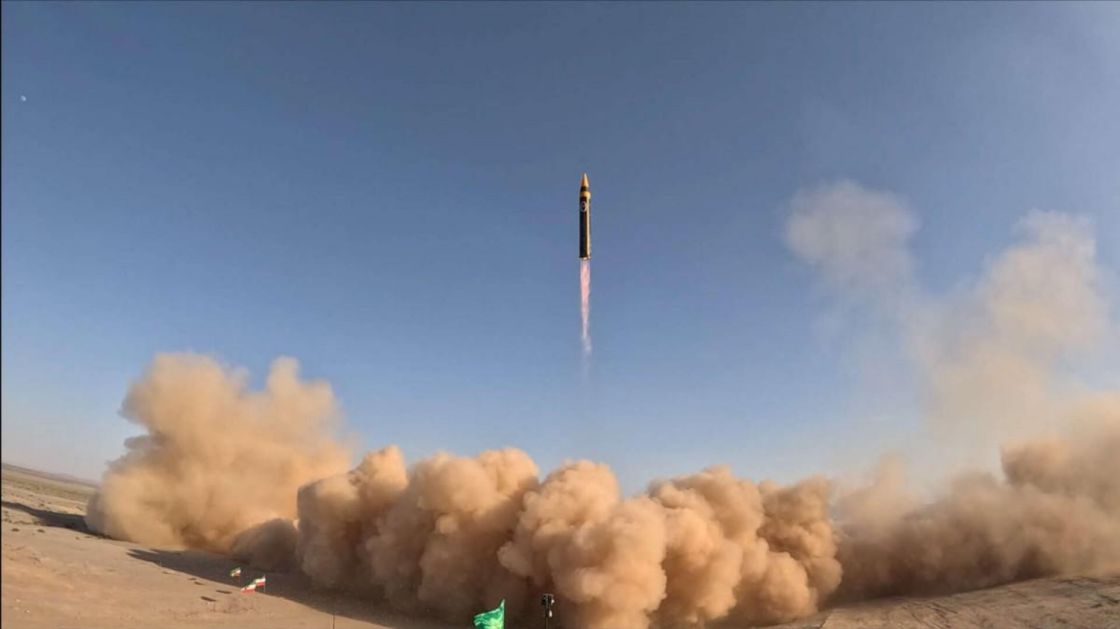
On Saturday, the Yemeni Armed Forces announced the first military operation against Israeli enemy, launching a batch of ballistic missiles at sensitive military targets in southern occupied Palestine. Yemen pledged to continue operations until the aggression stops across all Resistance fronts, establishing itself as an active participant against the United States and Israeli enemy.
Strategic Impact of Yemen’s Entry
Yemen’s involvement carries significant strategic implications for the regional conflict. Its military and missile capabilities, combined with its sensitive geographic location, can shift the balance of power in favor of Iran and the Axis of Resistance, especially when coordinated with fronts in Lebanon, Palestine, and Iraq.
For Israeli occupation, Yemen’s missile and drone capabilities represent an additional front, exerting direct pressure and stretching its defense systems. Yemen can target military sites and critical infrastructure deep within Israel, complicating its military planning and draining resources across multiple active fronts.
Furthermore, if Yemen takes steps to close the Bab al-Mandab Strait, a key energy trade corridor, it would directly pressure the United States and Israeli enemy. Coupled with potential tensions in the Strait of Hormuz, this could have a profound impact on global oil and gas markets, strengthening Iran and the Axis of Resistance while limiting the hostile powers’ strategic maneuvering.
Yemen’s participation, therefore, is not merely symbolic. It constitutes a tangible, influential factor that could decisively alter the balance of power in favor of Iran and the Resistance Axis, shaping the outcome of the regional confrontation.
AA