

Saudi Arabia moves to end Al-Muharrami’s influence, to restructure Al-Amaliqa factions
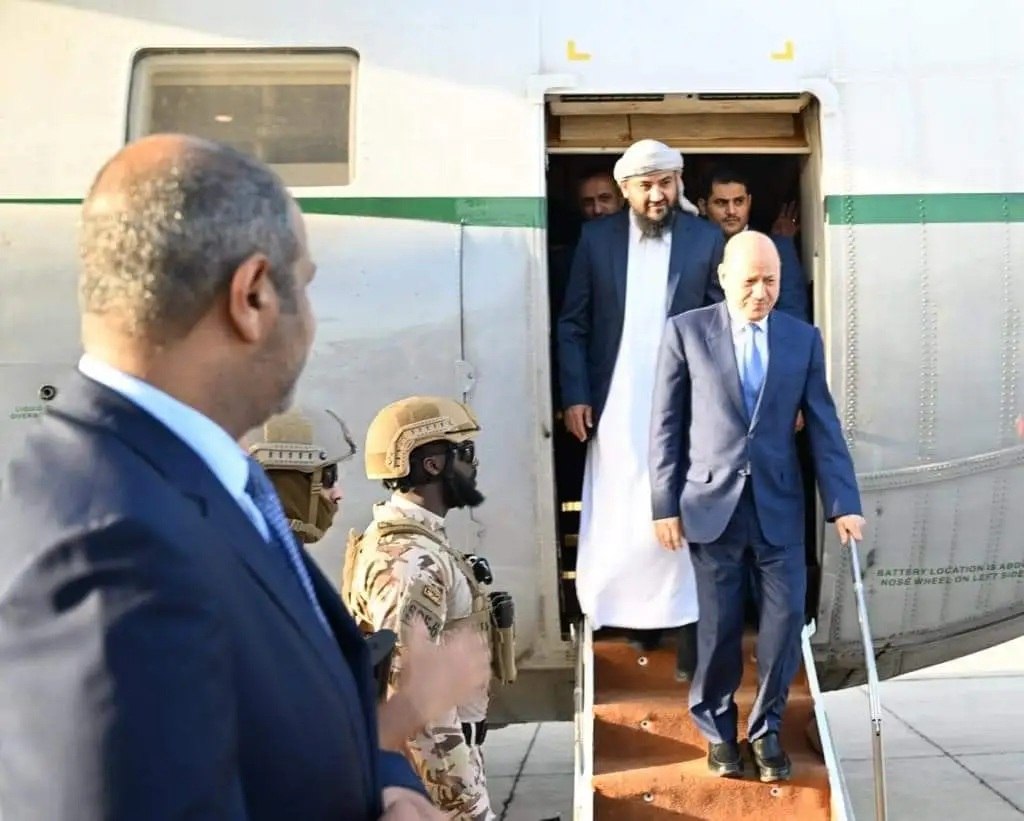
ADEN, March 28 (YPA) – Political sources in Aden familiar with the matter revealed new Saudi developments regarding the Al-Amaliqa factions, which were established by the UAE in early 2016.
These developments come amid reports that the Saudi Special Committee was moving to remove the factions’ leader, Abdul Rahman Al-Muharrami,
According to the sources, leaks about the possible dismissal of the Salafi leader—who is also a member of the Presidential Leadership Council—followed a request submitted by the Saudi-backed Aden government’s Defense Minister Taher Al-Aqili and Chief of Staff Sagheer bin Aziz to the Saudi military official in Aden, Falah Al-Shahrani.
The move was reportedly being framed as part of a broader “restructuring and redeployment” plan.
Leaked information indicated that Al-Aqili has insisted the “Giants” factions be placed fully under the authority of his ministry.
He has also accused their leadership, particularly Al-Muharrami, of failing to recognize the Aden government in official communications. Reports further suggested that Al-Muharrami had been under house arrest in Riyadh since January, leaving his political and military future uncertain.
The news has sparked anger among activists in the southern provinces, many of whom accuse Saudi Arabia of advancing the agenda of the Islah Party. They argued that this step was part of a broader effort to dismantle southern factions following the weakening of the Southern Transitional Council, and to reorganize Saudi military influence in Aden and other southern areas.
In the same context, sources report growing internal tensions within the Al-Amaliqa factions. Several Salafi leaders reportedly left Aden for Abu Dhabi in early January after disputes linked to confidential reports submitted by Al-Muharrami to UAE intelligence, further deepening divisions within the group.
Observers suggested that Saudi Arabia’s actions were aimed at reshaping the role of Salafi factions and potentially involving them in confrontations with Sanaa-aligned forces, particularly in strategic coastal areas along the Red Sea and the Gulf of Aden.
They also described these moves as a broader strategy that could push southern groups into conflicts not aligned with their interests. Amid ongoing uncertainty, reports that Riyadh is demanding some factions surrender their weapons in exchange for salary payments in Yemeni riyals have raised concerns about further escalation in the near future.
AA