

U.S. counterterrorism chief resigns over Iran war, exposing deep divisions in Washington
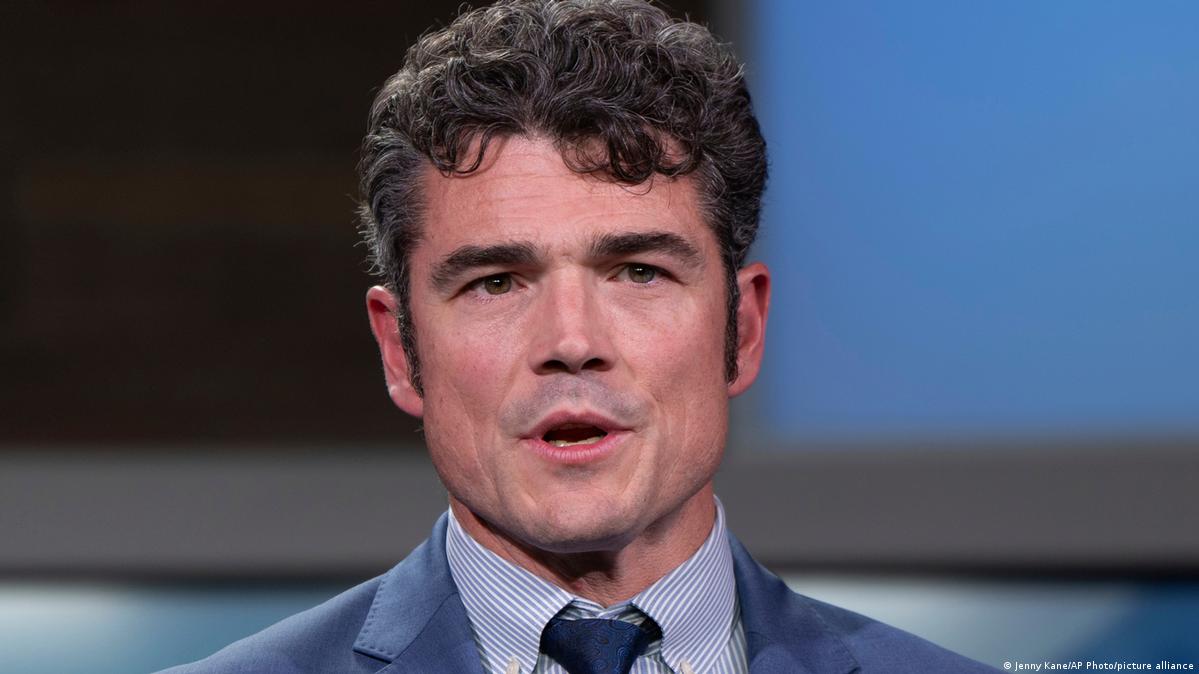
SANAA, March 18 (YPA) – Joseph Kent, the director of the U.S. National Counterterrorism Center, has resigned in protest over the ongoing war with Iran, becoming the first senior official in Donald Trump’s administration to take such a public stance since the conflict began.
The move marked a notable development, highlighting growing divisions within U.S. decision-making circles. In a letter addressed to Trump and published on the X platform, Kent said he could no longer support the war, arguing that Iran does not pose an immediate threat to U.S. national security.
He also suggested that the decision to pursue military action was influenced by pressure from Israel and powerful lobbying groups in the United States, pointing to the complex interplay of political interests behind the move.
Scrutiny over the war’s legitimacy
Kent’s resignation raises legal and political questions about the justification for the conflict. Analysts noted that U.S. law required a clear and imminent threat before military action was undertaken, placing the administration’s narrative under increased scrutiny—especially in the absence of publicly presented evidence convincing enough to sway both public opinion and political elites.
Deepening internal divisions
Now in its third week, the war with Iran has fueled growing debate in the United States over the scope of military involvement and the nature of alliances. Critics warn that Washington may be entering a conflict without broad domestic consensus.
Observers said Kent’s departure had reflected widening fractures within U.S. institutions, where security considerations clash with political pressures, raising broader concerns about crisis decision-making.
In this context, NBC reported that U.S. military officials had presented multiple options to President Trump for ending the war, as operations continue and regional tensions escalate.
The White House itself appears divided between two camps: one advocating a swift withdrawal to avoid global economic fallout and rising oil prices, and another viewing the war as a strategic opportunity to weaken Iran’s regional influence.
An isolated act or a sign of deeper cracks?
While Kent’s resignation could be seen as a personal decision, its timing and substance suggest broader implications. It may be signal the beginning of a wider rift within the administration—especially if other officials follow suit.
Ultimately, the move underscores not just a policy disagreement, but a deeper internal struggle in Washington: whether the United States is engaged in a justified war, or being drawn into a conflict shaped more by allied pressures than by its own national security priorities.
AA