

Aden’s currency market plunges amid rumors and manipulation; Sanaa remains stable
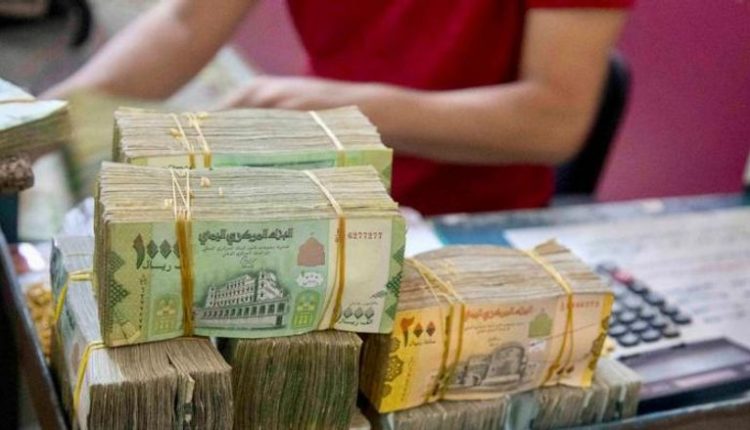
ADEN, Jan. 20 (YPA) -The foreign exchange market in Aden and other provinces under the control of the government loyal to the Saudi-led coalition, has once again been gripped by instability, amid a deliberately fabricated decline aimed solely at the pockets of ordinary citizens.
In Aden and other coalition-held provinces, the foreign exchange market plunged into chaos, driven by false rumors of a riyal “recovery” and exposing a scheme to exploit citizens with a fabricated currency drop, market sources reported
Economists described these expectations as a coordinated illusion that has fueled erratic behavior among exchange companies and citizens alike, warning that the unfolding situation is nothing more than a speculative game played at the expense of people’s savings.
According to the economic platform Baqash, economists rule out any near-term improvement in the value of the riyal, emphasizing that circulating talk of an imminent currency drop is mere rumor that has unsettled the market, coinciding with political and military developments because of the Saudi-Emirati conflict in southern and eastern Yemen.
In recent hours, exchange shops halted transactions, forcing citizens to sell foreign currency below its real value—and even below the official rate of 425 riyals per Saudi riyal. Observers called this a direct exploitation of ordinary people driven by fear and rumors.
Sources further indicate that some exchange companies refused transactions, while others offered rates as low as 200 riyals per Saudi riyal, severely distorting the market and raising concerns over unchecked speculation.
Economic analysts have warned of attempts to repeat the market manipulation seen in August 2025, when citizens’ savings were bought at depressed rates before exchange prices were raised once the market was saturated, resulting in heavy public losses and large gains for speculators amid allegations of collusion with the Aden-based Central Bank.
Experts stress that sustainable exchange rate improvements require fundamental drivers—such as higher production, exports, foreign reserves, and market confidence. Without these, current movements are destabilizing, not corrective.
Amid these developments, warnings are growing of organized efforts to mislead the public with false signals of currency depreciation, aimed at seizing hard currency at undervalued rates. Alleged violations by exchange dealers have been reported in Aden, Taiz, Marib, Lahj, and Abyan.
According to observers, a decline in the exchange rate that doesn’t lower prices harms society, especially amid stable living costs and no real improvement. With no evidence of a near-term riyal recovery, rumors continue to drive market instability, making exchange rate stability a pressing social concern.
In contrast, Sanaa has maintained financial stability due to strict Central Bank regulations, underscoring the crucial role of policy and oversight—rather than external factors—in shaping currency markets.
@E.Y.M