

What are America’s goals from attacks on Al-Qaeda in Yemen
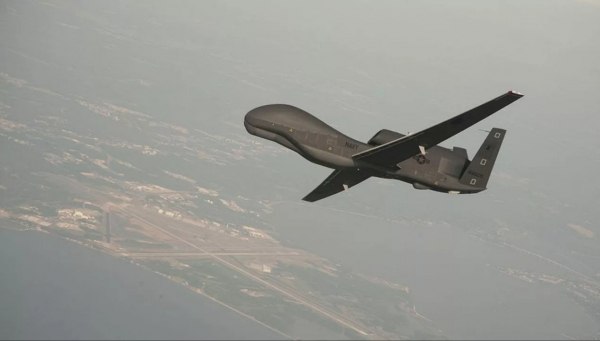
SANAA, Dec. 02 (YPA) – The coalition forces-held Marib province is witnessed a marked escalation in the frequency of American targeting of al-Qaeda elements, where on, a senior leader of the organization, Munir Al-Ahdal, known as”Abu al-Hija al-Hadi,” was killed after American drone waged last Saturday an airstrike that targeted his motorbike in Wadi Abayda of the province.
Al-Ahdal was considered the “Emir of al-Qaeda in Marib province” and the military official of the terrorist organization in the provinces of Bayda, Shabwa and Abyan, which his death was a direct blow to the leadership structure of the organization in Yemen.
The escalation of airstrikes on the leadership and elements of al-Qaeda reflected a new strategic direction for Washington, which is to limit the growth of these terrorist organizations and prevent their departure from American control, after their great influence has receded in front of the forces of Sana’a, as the United States no longer needs the presence of these elements in Marib, especially after the decline of the influence of the organization and its loss of the ability to achieve any goals that serve Washington, therefore, its liquidation and targeting has become the most effective way to ensure that it does not become a source of concern for the United States.
Face whitening plays
However, there are those who believe that the attacks the United States carried out on elements of al-Qaeda aimed at whitewashing Washington’s record by claiming to ”combat terrorism”, a claim that seems contradictory to the reality of American trends in Yemen, where it can be noted that terrorist groups, including al-Qaeda, are located in well-known camps and locations in areas controlled by the coalition, making the issue of targeting an element of terrorist groups here or there just a play, taking into account that the elements being targeted may be elements that have exhausted their mission and there are no longer reasons for their survival for Washington.
In addition, it was clear that there is an American attempt to prevent any disclosure of previous relations with the terrorist organization, and to control its ability to move out of control.
The inability of the organization to restructure
Marib was counted on to turn into a center for rearranging the ranks of al-Qaeda elements and sending them to other areas, but the current situation makes it difficult to reorganize or direct them, which increases the importance for Washington of air operations in order to control the activity of terrorist organizations and prevent their growth in a way that embarrasses the United States in front of the world, especially since al-Qaeda in Yemen is active in areas controlled by the US-led coalition.
It can be said that the shift of American policy from exploiting terrorist groups to limiting their activity has shown a clear strategy for Washington and the coalition, aimed at preventing any possible expansion of terrorist organizations and ensuring their survival under control, after the change in the balance of forces on the ground and the temporary lack of need for them as a tool of the war on Yemen.
Washington’s strategic relationship with terrorist elements
The relationship between the coalition, Washington and terrorist groups in Yemen is no longer just speculation, international reports have proven the existence of a direct political and military link of al-Qaeda and ISIS organizations with the coalition during the years of war on Yemen.
According to these reports, the coalition, backed by the United States, worked to establish training camps for terrorist elements, and provide money and weapons to fight against the forces of Sanaa. The organization’s leaders, most notably Qasem al-Rimi and Khaled Batarfi, have publicly confirmed this support, through video recordings in which they confessed to participating in combat operations alongside the coalition forces.
Nonetheless, the change in the field situation and the decline of terrorist organizations, Washington and the coalition turned towards controlling these groups, limiting their growth and preventing them from getting out of control, reflecting a new strategy to control the course of the conflict and maintain strategic influence in Yemen.
AA