

Iranian air defenses impose new deterrence equation over region
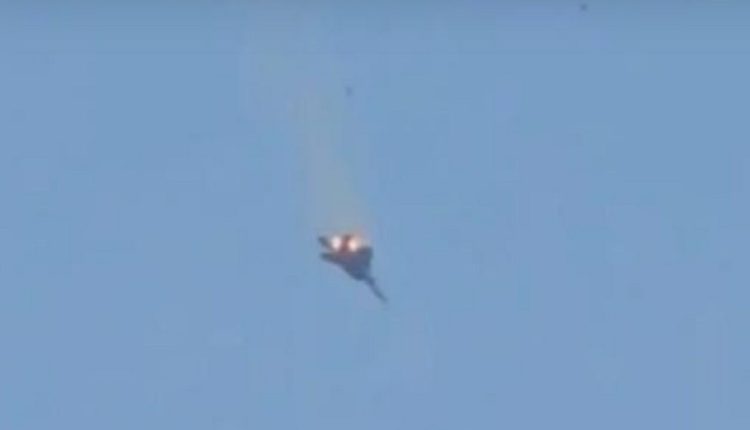
TEHRAN, March 04 (YPA) – In a significant development highlighting what Tehran describes as its growing deterrence capabilities, Iran’s semi-official Tasnim News Agency reported on Tuesday that another F-15 fighter jet of the US had been shot down by the Iranian air defense systems.
The claim follows an earlier statement by the Islamic Revolutionary Guard Corps (IRGC), which said three US F-15 jets were downed near Kuwait.
Iranian officials accused Washington of trying to cover up the incident by blaming “friendly fire,” asserting that the aircraft were mistakenly shot down by Kuwaiti defenses.
The assertions have not been independently verified, and there has been no immediate confirmation from U S authorities.
Strategic Implications
Military analysts say that repeated claims of downing advanced F-15 fighters, if confirmed, would carry significant operational implications:
Early Detection Capability
Successfully targeting advanced fighter aircraft would require an integrated radar network capable of detecting long-range targets, including those flying at varying altitudes or employing electronic countermeasures.
Advances in Interceptor Systems
Iranian systems such as the Bavar-373 and Khordad-3 are described by Tehran as capable of engaging highly maneuverable, long-range aerial targets — positioning them among more sophisticated air defense platforms.
Command and Control Integration
Engaging multiple aircraft within a single operational theater would also imply a coordinated command-and-control structure able to allocate targets effectively and prevent friendly fire — a critical component of modern air warfare.
Challenging the “Friendly Fire” Narrative
Iranian officials have pushed back against US narratives that the reported aircraft losses were the result of friendly fire, arguing that repeated incidents would strain the credibility of such narratives.
They say multiple occurrences in a highly sensitive operational environment would raise serious questions about airspace management, coordination, and command oversight.
Tehran also contends that the pattern of reported shootdowns indicates deliberate engagement by Iranian air defense systems rather than accidental mishaps, rejecting what it describes as attempts to downplay the incidents.
None of the claims have been independently verified, and US officials have yet to publicly confirm the reported losses.
From Defense to Strategic Deterrence
More important than the downing of any single aircraft is the shift in Iran’s defense doctrine—from focusing on localized protection to establishing a regional “deterrence umbrella.”
In this view, each successful interception reinforces a new reality: US air superiority is no longer absolute, as it was in past decades.
The developments indicate that Iran now has advanced air defense capabilities capable of inflicting substantial costs on any aerial intrusion.
The repeated downing of advanced fighter jets represents more than a tactical success; it signals Iran’s progression to a sophisticated level of defensive deterrence, sending a clear message that the region’s airspace is no longer uncontested.
@E.Y.M