

Sayyed al-Houthi accuses Saudi Arabia of undermining Muslim unity in service of US-Israeli agenda
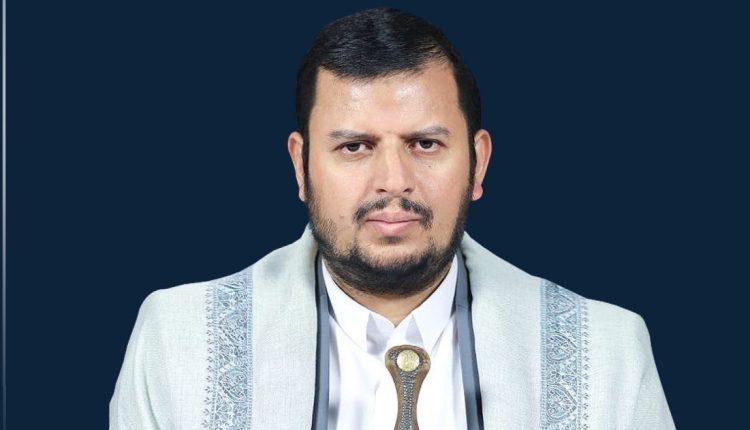
SANAA, July 16 (YPA) – Leader of Yemen’s Ansarullah movement, Sayyed Abdul-Malik al-Houthi, intensified his political rhetoric against Saudi Arabia on Thursday, accusing the Kingdom of participating in a U.S.-Israeli-British project, aimed at fragmenting the Islamic world and preventing any collective action in support of the Palestinian cause or in opposition to American and Israeli influence in the region.
In a televised address, Sayyed al-Houthi said Saudi Arabia’s role has expanded beyond the Yemeni conflict, adding that it has become a key instrument in implementing policies that serve American and Israeli interests.
He accused Riyadh of fueling divisions within the Islamic world and financing initiatives designed to weaken it from within.
Addressing the situation in Yemen, Sayyed al-Houthi said the Yemeni people have endured what he described as a brutal and unjust Saudi aggression for nearly 12 years.
He clarified the military campaign was conducted under U.S. supervision, with British participation and Israeli support.
Sayyed al-Houthi asserted that the conflict has resulted in thousands of civilian casualties, including women and children, caused widespread destruction of infrastructure, economic facilities, and homes, imposed a suffocating blockade, deprived Yemenis of access to their national resources, and led to the continued occupation of parts of Yemeni territory.
Turning to the Palestinian issue, he argued that Palestinians have been among those most affected by Saudi Arabia’s political and media policies.
The movement’s leader said Operation Al-Aqsa Flood exposed Riyadh’s efforts to prevent Arab and Islamic countries from adopting a unified position that goes beyond traditional statements of condemnation to practical measures, including political and economic boycotts of Israel.
He added that conferences hosted by Saudi Arabia in recent months had produced low-ceiling statements lacking concrete measures to support the Palestinians, arguing that this had effectively restrained the Islamic world from taking meaningful action against Israeli enemy.
Sayyed Al-Houthi also sharply criticized Saudi media outlets, accusing them of promoting narratives hostile to the Palestinian people and the resistance in Gaza, labeling Palestinian resistance factions as terrorist organizations, justifying Israeli military operations, and continuously inciting against Palestinians.
He further claimed that this media approach has extended beyond Gaza to Lebanon, Iran, and Yemen, alleging that Saudi media have played a direct political and media role in supporting Israeli positions, which he described as an explicit service to the Zionist project in the region.
His address comes amid escalating political and media tensions between Sanaa and Riyadh, against the backdrop of the ongoing war in Gaza and its broader regional repercussions.