

UAE withdraws from OPEC+ in major blow to Saudi Arabia
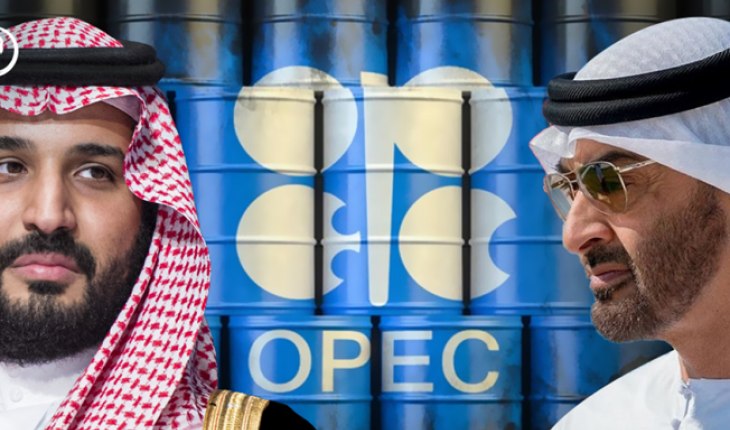
ABU DHABI, April 28 (YPA) – In a major development for global energy markets, the United Arab Emirates announced its withdrawal from OPEC and the broader OPEC+ alliance, a move that could significantly reshape oil production dynamics and expose growing divergences among key Gulf producers.
In this context, the decision—set to take effect on May 1, 2026—was widely interpreted as more than a technical energy adjustment, carrying broader geopolitical implications amid heightened regional sensitivity.
Moreover, analysts suggested the move signals an emerging phase of strategic divergence between Abu Dhabi and Riyadh, particularly at a time when the region is facing energy market volatility and shifting security dynamics.
Abu Dhabi stated that the withdrawal was driven by its desire for greater flexibility in managing oil output and aligning production decisions with national economic priorities.
Accordingly, officials emphasized that future output levels will be determined independently based on market conditions.
Suhail Al Mazrouei confirmed that the decision was sovereign and taken without direct prior consultation with other member states, underscoring the UAE’s intention to pursue an independent energy policy.
At the same time, the move came amid heightened tensions in the Gulf region, where disruptions linked to the Iran-related conflict and instability around the Strait of Hormuz have already contributed to supply uncertainty and market fluctuations.
Furthermore, market observers warned that the UAE’s exit—given its role as a major producer—could weaken OPEC’s internal cohesion and reduce the effectiveness of coordinated supply management mechanisms.
In addition, some analysts viewed the decision as aligning with broader geopolitical pressures, including long-standing criticism of OPEC policies by U.S. President Donald Trump, who has repeatedly called for increased oil production.
Ultimately, the development underscored increasing fragmentation within traditional energy alliances, as producers reassess collective frameworks in favor of more flexible, state-driven strategies.
AA