

Al-Aqsa Mosque closure during Ramadan: Emergency pretext or bid to redefine Al Quds religious identity?
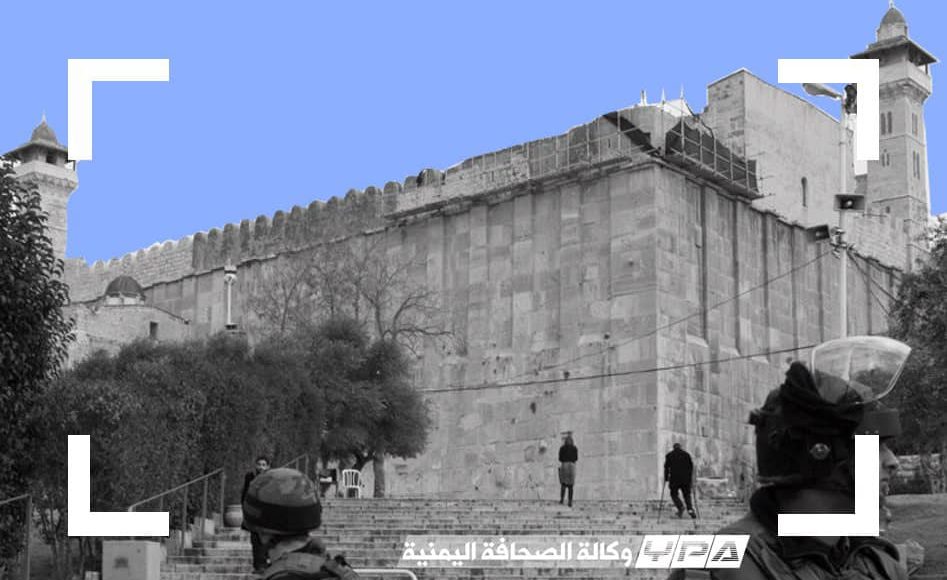
SANAA, March 04 (YPA) – The ongoing closure of Al-Aqsa Mosque since last Saturday morning has escalated beyond a mere security measure, especially as it enters its fourth day during Ramadan. Israeli occupation authorities have barred even employees and guards from entering, sparking serious questions about the true motives behind the decision.
Between Emergency Pretext and Strategic Shift
Israeli enemy cited a regional state of emergency tied to the Iran-Hezbollah conflict versus the US and Israel enemy. Yet Palestinian human rights groups, like the Gaza Center for Human Rights, viewed it as part of a broader policy to reshape realities in Jerusalem and the West Bank. Restrictions extend to the Ibrahimi Mosque in Hebron and over 916 military checkpoints across the West Bank, isolating communities and disrupting daily life.
Historical Patterns Emerge
Palestinian journalist Mohammed Shahin told the Yemeni Press Agency that these events reflect a long-term strategy to alter Al Quds religious identity.
He links it to past incidents like the 1969 Al-Aqsa fire, repeated incursions, and efforts to divide the site temporally and spatially. Shahin warned that Israel’s extreme right exploits regional distractions to push for full Jewish sovereignty over the Haram al-Sharif—steps once deemed untouchable.
Legal and Human Rights Violations
Yemeni judge Anwar Al-Hubaishi, head of the Supreme Human Rights Legal Front, asserted to the Yemen Press Agency that such closures breach the International Covenant on Civil and Political Rights and the Fourth Geneva Convention’s rules for occupying powers. Happening during Ramadan—the month when Al-Aqsa, Islam’s third holiest site, draws millions—amplifies its symbolic weight as a political and religious provocation.
From Symbolism to Strategic Normalization
These moves transcend symbolism, aiming to normalize closures as routine management, per Shahin. This paves the way for broader incursions and tighter control. Western backing under the guise of Israel enemy “right to self-defense” offers cover, while Arab and Islamic silence hampers resistance.
Testing Regional Resolve
At a pivotal moment, security claims clash with evidence of gradual restructuring in occupied city of Al Quds and the West Bank. Rights advocates see it as exploiting power imbalances. The key question lingers: Is this a temporary security response, or a step toward permanent colonial change? Regional and international responses will decide.