

Why did Saudi Arabia include pro-UAE forces in “Al-Zindani government”?
ANALYSIS
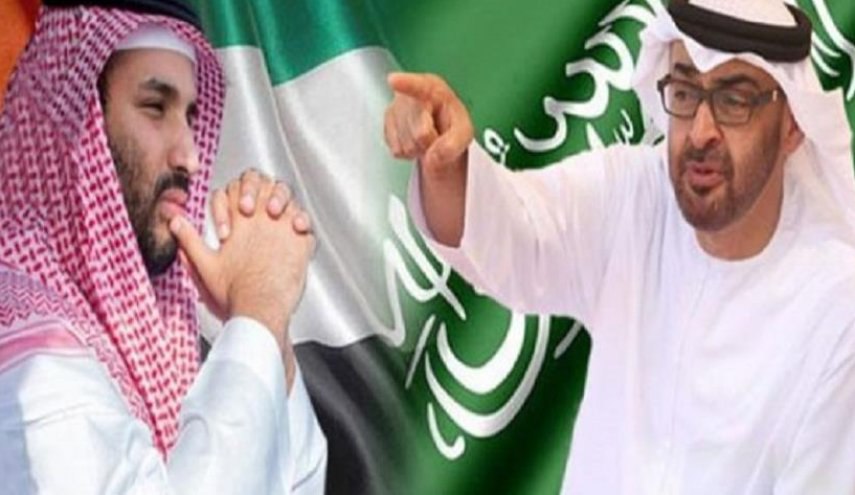
ANALYSIS, Feb. 08 (YPA) – The formation of the new “government” in Yemen’s southern and eastern regions reveals that Saudi Arabia is maintaining balances that theoretically should no longer exist following the expulsion of the UAE from Yemen on December 30, 2025.
The new cabinet lineup has sparked widespread astonishment among Yemeni circles within Saudi-controlled areas. Seven ministerial portfolios were granted to figures known for their loyalty to the UAE in the government announced last Friday evening, headed by Shaya’e al-Zindani.
Despite the announcement coming on the heels of turbulent events in Sayoun city, Hadramout—where pro-Abu Dhabi groups burned images of the Saudi King and Crown Prince in a city considered a stronghold for Riyadh-aligned factions—this did not prevent a power-sharing arrangement.
Pro-UAE factions secured seven ministerial seats in the new formation. This quota-based equation is expected to have significant long-term implications for the political landscape in Saudi-controlled Yemeni territories.
Observers suggest that Riyadh may have provided commitments to international actors, including the United States and the Israeli occupation entity, to continue a policy of fragmentation in Yemen by embracing secessionist groups rather than adopting policies that support Yemeni unity.
The inclusion of figures openly hostile to Saudi Arabia in the government supports this view. For instance, Southern Transitional Council (STC) leader Ahmed al-Saleh was appointed Minister of State, alongside five other STC-affiliated ministers. Additionally, Abdullah Abu Houria, an ally of Tariq Saleh, was appointed Minister of State for Parliamentary and Shura Council Affairs.
According to analysts, these appointments confirm that Saudi Arabia remains committed to dealing with and strengthening the role of secessionists in Yemen, regardless of their anti-Saudi stances—which have escalated to the point of public insults and the burning of leadership portraits during demonstrations carried out by pro-UAE factions in southern and eastern Yemen.
Conversely, some activists believe that Saudi Arabia’s inclusion of pro-Abu Dhabi forces serves as a strategic pretext. By doing so, Riyadh may justify a lack of tangible improvements for Yemeni citizens in the south and east, citing a “lack of harmony” within the government. This could indicate that hopes for an end to economic collapse and corruption remain slim, as they continue to be overshadowed by political maneuvering.
YPA