

Jamal Benomar: Saudi Arabia “killed” Yemen’s Political Solution
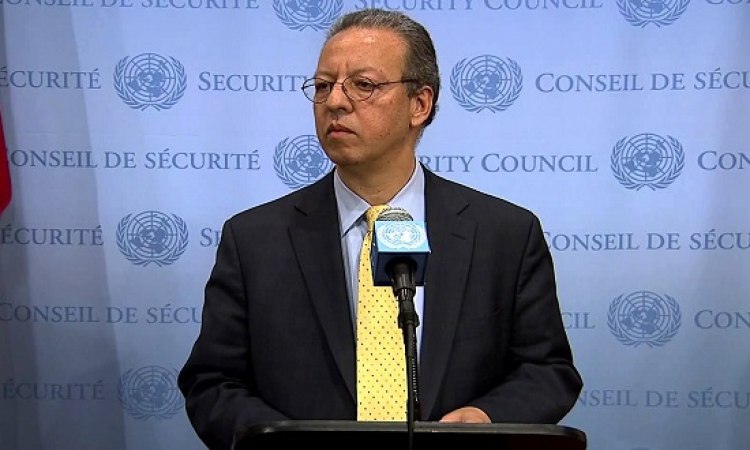
SANAA, Feb , 01 (YPA) – In a new international statement condemning military intervention in Yemen, former UN envoy Jamal Benomar delivered a striking critique of the Saudi-led coalition, highlighting its negative role in undermining the peace process.
He said the military campaign, launched in March 2015, aimed to block an imminent Yemeni political agreement and plunged the country into a cycle of complexity and conflict.
Derailing the Yemeni Peace Process
Benomar told Al Arabiya TV that Yemeni national forces were on the verge of a comprehensive political agreement at the start of 2015 under UN auspices. However, the Saudi decision to intervene militarily—backed by the US and the UK—upended these efforts, effectively aborting the peace process. He added that changes in leadership in Riyadh escalated the situation into violent confrontations.
Miscalculations and Admission of Failure
The former envoy emphasized that Saudi Arabia’s reliance on military force had failed dramatically, saying: “Saudi calculations were wrong, and they now acknowledge that this intervention was unsuccessful.” He stressed that Yemen’s conflict could only be resolved through diplomacy and politics—a stance rejected by coalition members.
Resignation and the “Surrender” Decision
In a revealing account of his resignation, Benomar said he stepped down in protest over a draft UN Security Council resolution (2216), which he described as “Saudi-crafted” to provide diplomatic cover for military operations. He called the resolution “unrealistic” for demanding that a national party surrender to a government based in Riyadh, making effective mediation impossible amid the UN’s alignment with the Saudi perspective.
The Gulf Initiative: “An American Recipe”
Benomar described the 2011 Gulf Initiative as “Gulf in name only” and “an American plan with Ali Abdullah Saleh,” designed to control Yemen’s political process. He said the intervention aimed not to restore the state but to undermine Yemen’s independence and align the country with regional and international powers.
These remarks reinforce the longstanding narrative in Sanaa that the so-called “aggression” was not intended to restore the state, but to disrupt Yemen’s independent political processes and subject the country to the will of regional and international powers.
@E.Y.M