

UNRWA: Forced displacement affects 33,000 Palestinians in Northern West Bank
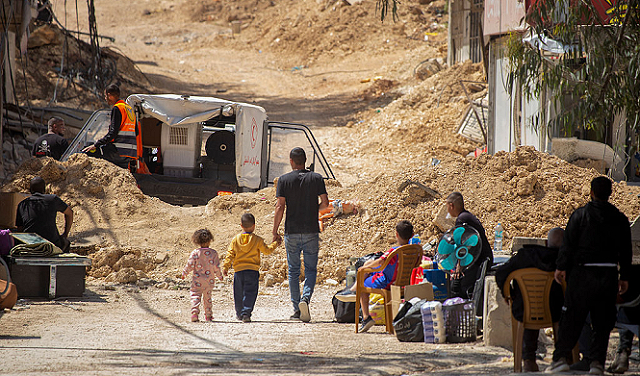
GAZA, Jan. 28 (YPA) – The media office of the United Nations Relief and Works Agency for Palestine Refugees (UNRWA) stated that tens of thousands of refugees displaced from the Tulkarm, Jenin, and Nur Shams camps are currently experiencing one of the most difficult periods of their lives since the Israeli army launched Operation Iron Wall on cities in the northern West Bank on January 21, 2025.
Abeer Ismail, a member of the UNRWA media office, explained that 33,000 Palestinians registered with UNRWA were displaced from the three camps after being forcibly evicted from their homes and forced to live in precarious conditions, either in rented accommodations, with relatives, or in places lacking the most basic necessities for safe housing.
In a report published by Al Jazeera Net, she said that the majority of these displaced people have completely lost their jobs since the beginning of the war, particularly in Tulkarm camps, where between 80 and 90% of the residents worked inside Israel before the war, which has left them unable to pay rent or meet their families’ basic needs.
The UNRWA official confirmed that most of these displaced people do not live in organized camps or prepared shelters, but are scattered in villages and towns surrounding the camps, such as Iktaba, Anabta, Qabatiya, and others, noting that the current housing conditions are unsuitable, especially for the elderly, the sick, and people with disabilities.
She indicated that there are about 12,000 displaced children, including 4,500 students who experienced periods of interruption and disruption to their education before being able to partially return to school through temporary solutions.
Abeer said that the students faced a loss of stability and security, stressing that education in these circumstances is not like normal school life, but rather comes within the context of a deep psychological and social crisis experienced by the children.
She also explained that the reopening of UNRWA schools in the vicinity of Tulkarm camp just a month ago restored the students’ sense of stability and their joy at returning to their classrooms after a period of turmoil is unimaginable.
Among the displaced are 400 people, some of whom were already disabled, while others became disabled as a result of injuries sustained during the military operation.
Abeer described their humanitarian situation as “extremely fragile,” given the inadequate housing, difficulty accessing healthcare, and lack of privacy.