

Saudi Arabia fails to shift trajectory of war on Yemen into a “sectarian” framing
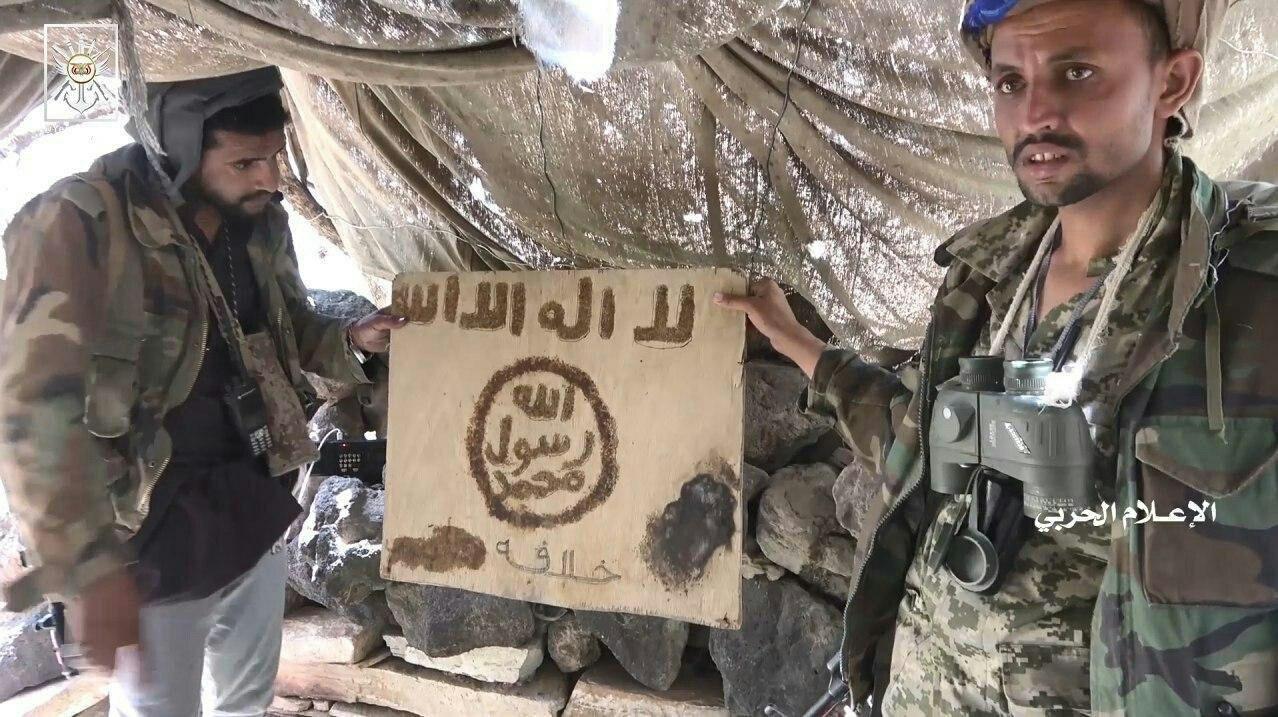
SANAA, Sept. 20 (YPA) – Saudi Arabia has failed over the past years of the war on Yemen to color the conflict with a sectarian and regional dimension through the deployment of religious discourse, the utilization of extremist ‘Salafi’ groups as a tool in the conflict, and the leverage of factions affiliated with the UAE-backed Southern Transitional Council (STC) with secessionist tendencies, alongside recent moves to import extremist elements from Syria and other countries to confront Sanaa forces across various fronts.
The situation escalated when Brig. Gen. Yahya Sarie, spokesperson for Sanaa forces, announced Friday evening the thwarting of what he described as “criminal attempts in the capital, Sanaa, carried out by the Saudi enemy, stamped with an ISIS-style character.” Sarie vowed to respond to these attempts without providing further details. Meanwhile, media sources reported information regarding failed attempts by terrorist elements to execute offensive operations inside Sanaa.
This announcement brings back to the fore Saudi attempts to shift the war from a Yemeni-Saudi military and political confrontation into a conflict of a sectarian and religious nature. This has been pursued by entrenching the religious discourse of extremist Salafi groups since the establishment of various centers in southern Yemen and promoting the fight against Sanaa forces under ‘takfiri’ labels—including “Rawafidh, Majoos, Persians, and Iran”—alongside other terms tied to the ideological dimension of these groups in describing their adversaries according to takfiri doctrine.
Furthermore, Saudi Arabia is attempting to replicate the Syrian experience in Yemen by capitalizing on elements from Syrian extremist groups. Riyadh requested the transfer of thousands of them to Yemen—specifically to Jawf, Marib, and other fronts—after Sanaa forces established full control over the western coast and the Bab al-Mandab Strait. This development prompted Riyadh to seek foreign mercenary tools from Syria to reshape the balance of engagement, amid reports of a military camp in the Sharorah area housing Sudanese mercenaries previously utilized by Saudi Arabia, who suffered a resounding failure against Sanaa forces on the cross-border fronts with Saudi Arabia.
In this context, reports indicate Saudi pressure on “Syrian President ‘Ahmed al-Sharaa’ (al-Jolani)” to dispatch elements to Yemen, coinciding with Riyadh’s request—mediated by Oman—for a two-week truce with Sanaa under human-rights and humanitarian headings.
According to observers, however, the proposed truce aims to allow Riyadh to reshuffle its cards on the Yemeni fronts and reinforce its air defense systems at oil facilities and military bases currently subject to missile strikes and drone attacks by Sanaa forces under the “blockade for blockade” equation.
On Friday, the newspaper “Türkiye Today” published an account stating that “al-Jolani” rejected a Saudi request to send elements from terrorist groups to fight in Yemen. Conversely, other sources report a conflicting narrative claiming that rejecting the request was not possible for “al-Jolani” and that the transfer of elements had already taken place over the past weeks to Riyadh and subsequently to Yemen.
The latter account indicates that Saudi Arabia transferred 5,000 extremist Syrian elements to Saudi border camps with Yemen in Sharorah to train, arm, and deploy them to the Marib and Jawf fronts to fight alongside factions affiliated with “the Muslim Brotherhood” (“Islah Party”) against Sanaa. The same sources also reported the arrival of the bodies of deceased Syrians in Idlib and Homs over the past few days, stating they were killed in the Jawf desert.
Circulating reports are not limited to Syrian elements; information indicates that Riyadh continues to search for mercenaries from other nations, including Pakistan, as well as similar efforts in Egypt and Libya. This comes as part of an attempt to end Sanaa forces’ control over Bab al-Mandab in Saudi-Israeli coordination, as reported by Zionist media, as well as pushing for the 41-nation naval coalition to dismantle the naval blockade imposed by Sanaa on Saudi shipping and oil exports.
Video footage released last week also showed the presence of elements from terrorist organizations within the ranks of pro-Saudi factions in Al-Madaribah and Ras Al-Arah in western Lahj, near Bab al-Mandab. These elements expressed thanks and gratitude for the stances of Syrian groups and their support, presenting a direct threat to international navigation in Bab al-Mandab.
These field developments expose Saudi Arabia’s exploitation of extremist groups and its pushing of them to the forefront of the war on Yemen, alongside the continued leverage of takfiri discourse against Sanaa in mosques across southern governorates. This reflects ongoing efforts to divert the trajectory of the Saudi military and political war into an open “sectarian” conflict in Yemen. Consequently, these extremist Salafi groups—whose leadership was drawn from the graduates of the “Al-Hajuri centers,” including Al-Qaeda—have been integrated into the so-called “Giants (Al-Amaliqah), Nation’s Shield (Dira Al-Watan), and Emergency” factions to serve American and Israeli agendas without the latter firing a single bullet.
Based on these data, Riyadh is attempting to circumvent the “blockade for blockade” equation imposed by Sanaa on Saudi navigation in the Red Sea and reshape the trajectory of the war with a religious character. This is particularly evident following Saudi claims and accusations alleging that Sanaa targeted Mecca—allegations that met widespread ridicule and prompted millions of Yemeni people to take to the streets in response to the falsehoods promoted by Riyadh.
YPA