

WSJ: Replenishing depleted US military stockpiles could take years
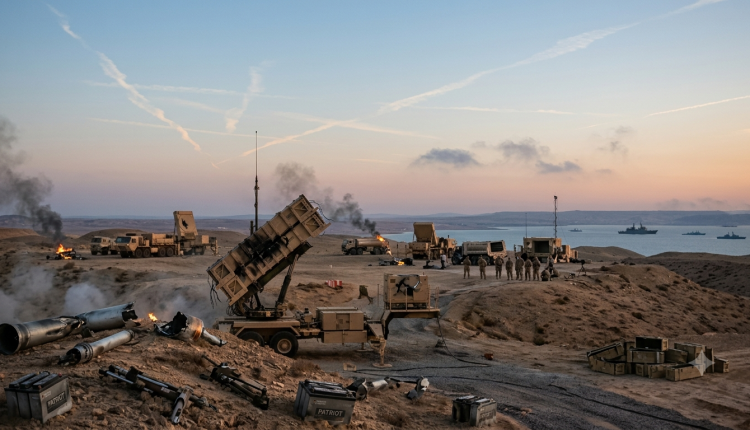
WASHINGTON, Aug. 30 (YPA) – The extensive use of advanced weaponry in Washington’s war against Iran has severely depleted US weapons and air-defense stockpiles, with some critical stocks potentially taking years to replenish amid pressure on production lines and military supply chains, The Wall Street Journal reported Friday, citing US military officials.
The depletion has affected stocks of key defensive and offensive systems, including PAC-3 Patriot interceptors and ATACMS tactical missiles, which some officials said have fallen to “beyond critical” levels, below the amounts considered necessary for strategic reserves. THAAD interceptors and counter-drone systems have also been redirected to the Middle East, further straining US and allied inventories.
The report said the scale of the confrontations has placed unprecedented pressure on the US defense-industrial base, as advanced systems such as Patriot and THAAD require sophisticated technology and lengthy manufacturing processes that cannot easily keep pace with the current rate of consumption.
Military planners warned that the depletion could limit Washington’s ability to respond simultaneously to potential threats in other theaters, including Europe and the Indo-Pacific.
US officials assessed that Washington might not be able to fully execute contingency plans to defend Taiwan in the event of a near-term military operation, while the movement of air-defense assets from Japan, South Korea and Germany to the Middle East has created vulnerabilities in the US global military posture.
The report also cited officials as saying that the intensity of the conflict had involved the launch of more than 1,500 ballistic missiles and around 6,000 large drones by Axis of Resistance forces.
The escalation has coincided with operations aimed at restricting navigation and attacking vessels in the Strait of Hormuz and other strategic waterways in the region.
The shortages have also raised concerns over Washington’s ability to support allies, including Ukraine, as Western countries face competing demands for scarce interceptor missiles while Russian missile attacks continue.
The White House and Pentagon, however, have denied that the United States is facing a shortage of munitions. The Trump administration has maintained that the US military has sufficient resources to pursue the president’s objectives.
The Wall Street Journal said the depletion has nonetheless prompted growing concern among military commanders and defense officials over Washington’s ability to maintain readiness and strategic deterrence against major powers such as China and Russia.
Analysts say continued military operations in the Middle East could further strain US and allied forces and limit their ability to sustain prolonged conflicts across multiple theaters.
@E.Y.M