
Sanaa warns of repercussions of politicizing humanitarian work
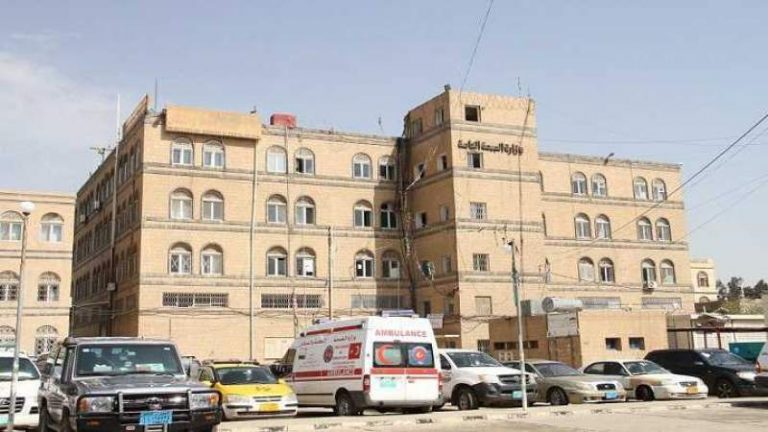
SANAA, June 25 (YPA) – The Sanaa-based Ministry of Health and Environment has warned of a worsening public health situation due to declining stocks of vaccines and essential medicines, alongside disruptions in medical supply chains.
In a statement, the ministry said the situation is being exacerbated by the politicization of humanitarian assistance by international organizations and donors, warning also that this is endangering patients and weakening essential health services.
The statement affirmed that the suspension of operational funding for health facilities has forced the halt of several key services, which it described as severely impacting patient care and contributing to higher infection and mortality rates.
It reported that support for more than 15,000 health workers, along with 15,000 female health volunteers and community workers, has been suspended.
The statement also said 2,207 health facilities have been affected by the cessation of operational funding, while assistance for medicines and vaccines intended for children and mothers—covering 2,317 facilities, camps, and mobile units—has been halted.
It added that funding freezes have affected an estimated $48 million in medical supplies, $16.3 million in operational costs, and $14.1 million in medical equipment.
The ministry’s statement further noted that nutritional support programs for more than 3,000 facilities, which reportedly benefit over one million children, have been suspended.
According to the statement, the suspension also includes support for therapeutic feeding centers serving tens of thousands of children annually, as well as reduced assistance for blood banks, laboratories, and epidemic surveillance systems.
It said fuel supplies for hospitals, chronic disease medications, and rehabilitation projects for several hospitals—including dialysis and cardiac care units—have also been affected, along with cholera and other epidemic response activities.
The ministry said these developments reflect the consequences of politicizing humanitarian work and urged donors and international organizations to uphold principles of neutrality, independence, and impartiality.
The statement clarified that the decline in services is not due to local authorities but to restrictions affecting humanitarian operations.
It called for lifting restrictions, reopening entry points for medical supplies, and restoring funding for health and nutrition programs, stressing that humanitarian aid should not be used as a tool for political pressure and must comply with international humanitarian law.
The statement concluded that access to healthcare is a fundamental human right and urged the international community to ensure the uninterrupted flow of medical assistance and support services.
AA