

Echoes of colonialism: Saudi Arabia accused of reviving British-era practices in southern Yemen
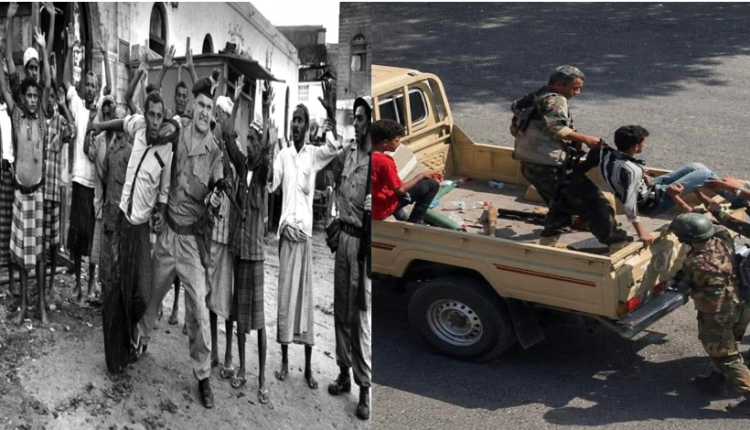
ADEN, June 11 (YPA) –Scenes of a brutal security crackdown by Saudi-backed forces in Aden have evoked dark chapters of the British colonial era for many Yemenis. Amidst angry protests, military pursuits and mass arrests across the city have underscored the scale of mounting popular discontent.
Since the Saudi-UAE-led coalition took control of Aden in mid-2015, promises of development and stability have vanished. Instead, the city and surrounding provinces have descended into security chaos and a severe lack of essential services. Voices demanding the most basic requirements for a dignified life are increasingly met with live ammunition rather than solutions.
Despite a systematic Saudi policy of starvation and repression, residents in Aden, Hadramout, and Mahra have intensified their civil disobedience against what they describe as a ‘new occupation.’ Years of forced disappearances and the use of secret prisons have proven ineffective in breaking the will of a public that refuses to back down under intimidation.
The crisis has reached a breaking point this summer. With power outages exceeding 18 hours a day, homes have been transformed into “scorching ovens,” forcing families to sleep in the streets with their children to escape the suffocating heat.
The humanitarian toll is catastrophic. Numerous deaths have been reported among the elderly and children, while skin diseases are spreading rapidly due to the extreme heat. This suffering stands in stark contrast to the lives of “war profiteers”—officials who have spent years in the air-conditioned palaces and hotels of Riyadh.
Public anger is further exacerbated by reports of systemic corruption. Billions of riyals in local revenues, along with foreign grants and aid, are allegedly being looted by influential figures while power plants remain without fuel. These funds are reportedly being funneled into private investments abroad, leaving the population of southern and eastern Yemen to face deadly famine and a total collapse of water and electricity infrastructure.
The various armed factions—including the Dera Al-Watan, Al-Amaliqa Brigades, Emergency Forces, the Security Belt, and the Mahdhar Battalions, as well as forces loyal to Tariq Saleh and the Islah Party—appear unable to silence the “revolution of the hungry.”
As the dignity of citizens in Aden and Hadramout continues to be suppressed, there are growing warnings that the movement may shift from peaceful protest to armed struggle. Echoing the historic Radfan revolutionaries who rose against British rule.
It is a clear message that rights do not expire with time, and the will of a free people cannot be shackled behind closed doors, regardless of the challenges and sacrifices involved.
@E.Y.M