
Intelligence official heads Saudi mission to extend oil pipeline through Al-Mahra territory
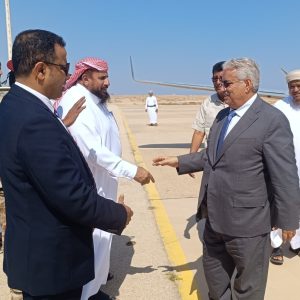
MAHRA, April 28 (YPA) – The Saudi Special Committee has dispatched the head of the Central State Security apparatus in the Riyadh-backed government, Mohammed Masleh Aydha, to Al-Ghaydah Airport aboard a military aircraft as part of a new security mission in eastern Yemen, sources familiar with the matter reported.
According to the sources, the mission aims to boost coordination among security agencies and assess performance ahead of planned Saudi infrastructure projects in the region.
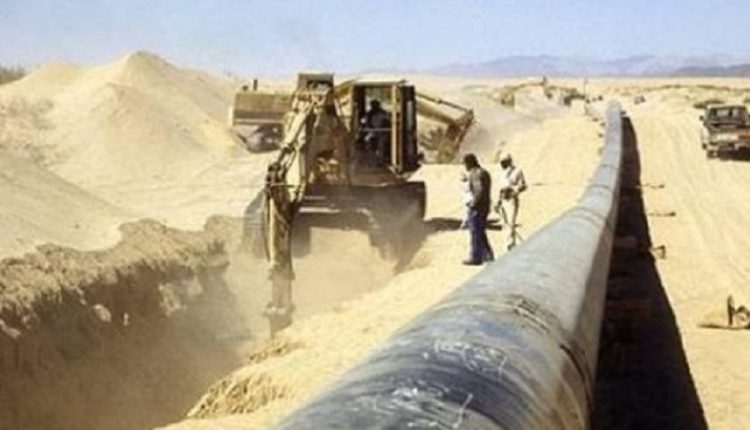
The visit is reportedly linked to preparations for a proposed oil pipeline extending from Saudi territory through Yemeni lands toward the Arabian Sea.
Upon arrival, Aydha began meetings with local officials and tribal leaders to discuss a security framework aimed at coordinating coalition-aligned armed groups in Al-Mahra Governorate and securing potential project routes.
The mission also seeks to evaluate the security situation, identify challenges to implementation, and gauge the positions of tribal and social actors, the sources said.
Aydha also attended a graduation ceremony for a specialized military training course for Saudi-aligned forces in the Al-Ghaydah axis, which included training on tanks and artillery systems such as mortars, as part of a broader regional program.

According to the same sources, the arrival of the intelligence official is seen as part of efforts to bolster security coordination in the governorate amid increasing strategic interest in the area.
Sources said the visit comes amid increasing strategic interest in the governorate and efforts to strengthen security coordination, raising concerns that Al-Mahra Governorate could become a focal point for regional competition tied to cross-border infrastructure and energy projects.
Saudi interest in Al-Mahra Governorate and Hadhramaut Governorate has reportedly grown since the early stages of the Yemen war in 2015, with some accounts linking it to long-standing plans for an oil export route bypassing the Strait of Hormuz.
Some reports and activist claims have alleged the arrival of shipments carrying large pipeline materials to the region, though there has been no official confirmation from local authorities or the Saudi-backed government. The Yemeni government in Sana’a has previously rejected such projects.
Local accounts also point to long-standing tribal opposition to foreign military presence since Saudi forces deployed near Nishtun Port in late 2017.
In 2018, tribal groups reportedly removed concrete markers linked to the proposed pipeline route, contributing to a temporary halt in the project. Discussions have since resurfaced amid shifts in local control, including the reported consolidation of influence by Saudi-backed “Dera Al-Watan” factions and the expulsion of groups affiliated with the Southern Transitional Council from parts of the governorate in late December, alongside unrest in Hadhramaut Governorate.
@E.Y.M