

“Quota war” destabilizes Yemeni consultations for new pro-coalition government in Riyadh
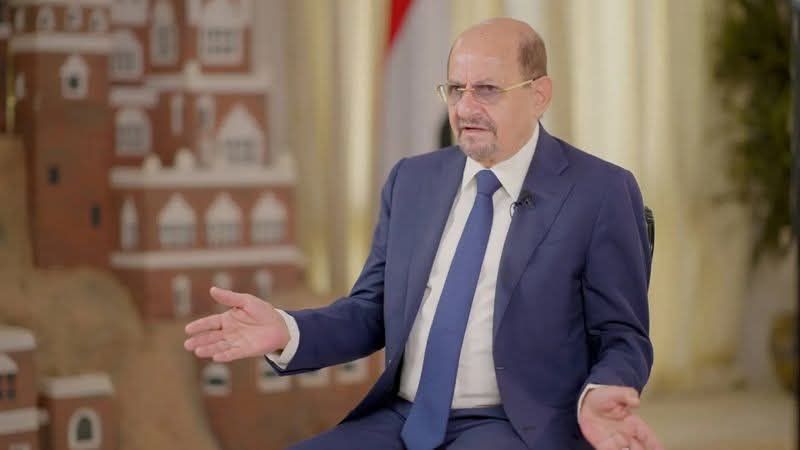
RIYADH, Jan. 27 (YPA) – Informed political sources in the Saudi capital, Riyadh, have revealed an escalation in conflicts between factions loyal to the Saudi-led Coalition over the distribution of ministerial portfolios in the upcoming government, headed by Shaya al-Zindani.
Sources described the behind-the-scenes negotiations as a “quota war” managed by the Saudi “Special Committee” to balance power dynamics and regional loyalties.
“Behind the Scenes: Tareq Saleh’s Ambitions and Al-Alimi’s Reservations”
According to the sources, the wing led by “Tareq Saleh” (nephew of the former president Ali Abdullah Saleh) is engaged in a political battle aimed at seizing sovereign portfolios directly linked to foreign funding files, in addition to demanding the position of Deputy Prime Minister. This is seen as a clear move to tighten control over decision-making centers and the flow of funds.
On the other hand, the President of the Presidential Leadership Council, Rashad al-Alimi, has reportedly agreed to grant the Islah Party some of the vital ministries it requested—including Finance, Interior, Defense, Foreign Affairs, and Information.
However, Al-Alimi has withheld other appointments to keep them under his personal control, preventing them from falling under the influence of UAE-backed entities. This move has been met with rejection and indignation from Tareq Saleh’s faction and southern leaders aligned with the UAE-backed Southern Transitional Council.
“The Quota Map and Saudi Decision-Making”
Reports from Riyadh indicate that the distribution of positions is being conducted according to the following criteria:
Consolidation Prizes: Certain posts are being allocated to smaller parties and Salafist groups as “consolidation prizes” to ensure absolute loyalty to Riyadh.
Political Blackmail: Some southern factions are accused of practicing “political opportunism,” using the “Southern Cause” as a pretext to secure gains in the new formation, often nominating figures allegedly involved in corruption.
The Final Say: Sources emphasized that the roles of the Prime Minister-designate and various political forces are limited to “nominations.” The final decision regarding names rests with Saudi officials, specifically Ambassador Mohammed al-Jaber and Falah al-Shahrani, who manage the scene in accordance with the Kingdom’s interests.
“Anticipated Announcement vs. Powerless Government”
While pro-coalition media outlets expect the official announcement of the “Zindani Government” within the coming days—once quota disputes are settled—local observers remain skeptical.
Analysts argue that the upcoming government will be “stripped of its powers,” similar to its predecessors. They point out that it will likely lack the authority to manage basic service files, such as purchasing fuel for power plants, and will possess no real sovereignty on the ground, acting instead as a vehicle for regional and international (US-UK) agendas in the region.
YPA