

Abrupt exit of Al Jazeera Shield forces from Bahrain signals shift in Gulf security
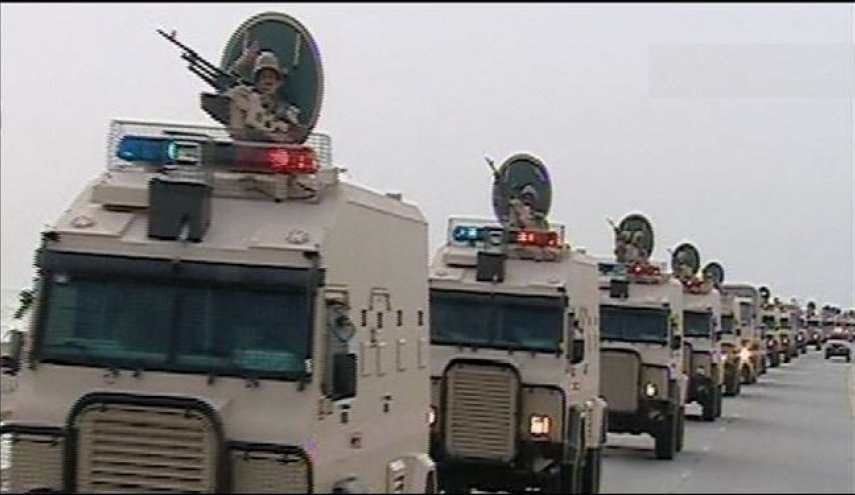
SANAA, Jan. 10 (YPA) – The French website Dark Box, which specializes in intelligence affairs, has revealed an extremely sensitive security development: the beginning of a withdrawal of Saudi military units stationed in Bahrain.
The move has been described as a dramatic shift that transfers the Saudi–Emirati conflict from the Yemeni theater to the heart of the Gulf security system and into Riyadh’s traditional spheres of influence.
Citing confidential sources described as reliable, the website reported that the Saudi move was neither routine nor a technical military redeployment. Rather, it was a firm strategic response to intelligence indicating Emirati efforts to turn Manama into a “platform” serving regional agendas that directly contradict the Kingdom’s vital interests—an action Riyadh reportedly viewed as a dangerous breach of red lines within its security depth.
This development places the Gulf Cooperation Council (GCC) before its most severe test since its establishment in 1981. According to the French report, the withdrawal of these forces— which since the 2011 “Peninsula Shield” intervention had constituted a military and psychological safety net for the Bahraini regime—effectively signals a fracture in the principle of collective Gulf security, in favor of bilateral power struggles between the council’s two dominant actors.
The report adds that Bahrain’s security establishment is currently in a state of shock and comprehensive reassessment. Decision-making circles in Manama were reportedly unprepared for the Saudi stance to escalate to the point of lifting military cover at such a sensitive moment, amid rising regional threats. This has placed Bahrain in a critical political and security position between its historical ally in the north and its ambitious partner in the south.
Political analysts view the move as evidence of a fundamental shift in Riyadh’s strategic doctrine, suggesting that the Kingdom is no longer willing to tolerate half-measures within its traditional zones of influence. Observers of Gulf affairs stress that the Saudi message was not directed at Manama alone, but carried a stern warning to Abu Dhabi: Riyadh is prepared to dismantle long-standing security arrangements if it perceives a direct threat to its sovereign interests.
Meanwhile, strategic experts have warned of a potential “domino effect” resulting from the withdrawal. They argue that the absence of Saudi military weight in Bahrain could invite other regional interventions or embolden opposition forces, placing Manama’s security at serious risk. International analysts have described the troop withdrawal as the “maximum level of political pressure” preceding a full rupture, raising fears of a possible collapse of the unified Gulf security framework that has underpinned regional stability for decades.
According to Dark Box’s analysis, the Gulf region has entered a phase of “forced reshaping,” as tensions between Riyadh and Abu Dhabi are no longer confined to oil production, border disputes, or influence in Yemen and Sudan, but have extended into the core of sovereignty within GCC member states.
The report concluded by warning that turning smaller Gulf states into arenas of polarized competition between Saudi ascendancy and Emirati ambition could undermine their political and security stability, emphasizing that the era of “Gulf consensus” has effectively ended, giving way to an open struggle over leadership of the emerging regional order.
AA