

Riyadh–Abu Dhabi conflict deepens as Saudi move targets Tareq Saleh in Yemen
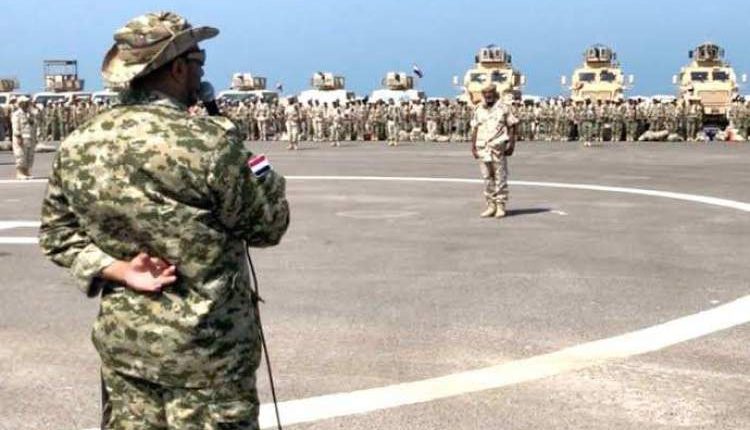
ADEN, Jan. 01 (YPA) – The Saudi–Emirati conflict in Yemen has entered a more acute phase, after Riyadh had dealt a painful blow to the ambitions of the member of the Presidential Leadership Council (PLC) and the leader of the pro-Abu Dhabi factions in the West Coast, Tariq Saleh, the nephew of former president Ali Abdullah Saleh,
The move prompted the UAE to take urgent action through launching a large-scale aerial military escalation in an effort to contain contain the repercussions of the situation and prevent the loss of one of its most prominent field papers.
During the past hours, navigational movements showed the arrival of Emirati military cargo planes to strategic positions including Mocha, Dhubab, and Mayon island, clearly signaling the launch of an emergency support operation for its forces deployed in the Bab al-Mandab area, amid growing fears inside Abu Dhabi of the collapse of its influence in this vital strip.
This move follows media leaks indicating that Saudi Arabia has actually begun implementing arrangements aimed at reducing the UAE’s influence in the West Coast and Socotra, as part of a new trajectory to redraw the map of military control, which was considered a direct message to end the field role of Tariq Saleh.
According to informed sources, Riyadh issued directives to hand over the positions of pro-UAE factions to alternative local forces, reflecting a decisive Saudi decision to close this file. This step came after the recent positions taken by Tareq Saleh, which were described by officials in Riyadh as crossed red lines and aligned in a way that run counter Saudi interests, especially in the east of Yemen.
On the other hand, Abu Dhabi responded with an unprecedented escalation by intensifying military cargo flights between its bases and advanced bases in southern Yemen, by focusing on the strategically important island of Mayon in Bab al-Mandab.
Air tracking data has revealed an increase in the activity of large UAE military cargo aircraft, with some flights making near-simultaneous landings within short time frames. These movements were not limited to the island of Mayon, but extended to ports and positions along the southern coast of Yemen opposite, indicating a clear attempt to open alternative supply corridors to arm allied factions, amid tightening Saudi restrictions on direct military landings inside Yemeni territory.
These developments reflect the transition of the confrontation between Riyadh and Abu Dhabi from the stage of muted differences to an open struggle for influence, which will force UAE to engage in a decisive round to preserve its strategic positions, despite showing a tactical withdrawal from some areas, foremost of which is the city of Mukalla.
AA