

UN’s contradiction between warning of famine and politicizing humanitarian work in Yemen
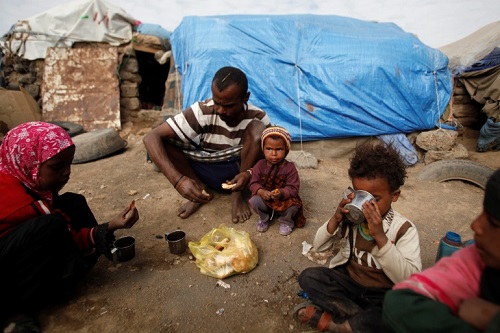
SANAA, Dec. 01 (YPA) – While UN organizations confirm that nearly half of Yemen’s population faces critical levels of acute food insecurity, a clear contradiction emerges between the UN’s rhetoric and its practical actions on the ground, especially following a series of decisions that have directly impacted the humanitarian situation in areas controlled by the Sana’a government.
According to the latest FAO report, the food security situation in Yemen will remain “very dire” until February 2026, with 18 million Yemenis facing the risk of acute food insecurity
Politicizing Humanitarian Work and Halting Aid
Despite these serious warnings, the United Nations, according to recent events, continues to make decisions that contribute to exacerbating the humanitarian crisis instead of alleviating it. Two years ago, the World Food Programme halted aid distribution in areas controlled by the Sana’a government, yielding to American pressure due to Sana’a’s stance on the Gaza support campaign.
Last October, the World Health Organization and UNICEF decided to suspend their support for several vital health programs in areas controlled by the Sana’a government, justifying this with “security concerns” claims that Sana’a denied as inaccurate and based on purely political considerations.
While the United Nations warns of a food catastrophe threatening half of Yemen’s population, it bears a large part of the responsibility for creating this humanitarian crisis.