

US schools face budget strain as diesel prices rise after Iran war
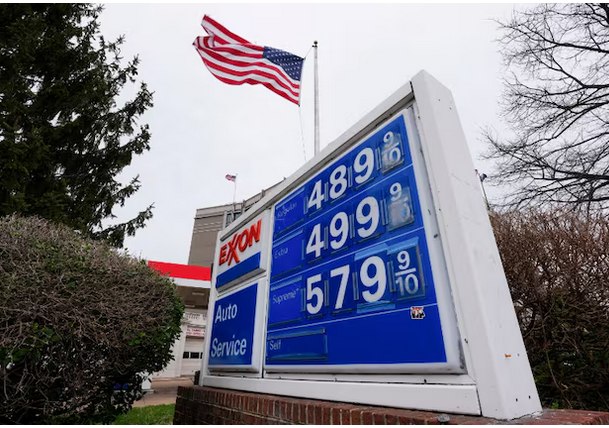
WASHINGTON, May 16 (YPA) – Rising diesel prices following the Iran war have placed growing strain on already constrained U.S. school budgets, increasing the cost and complexity of operating school buses and backup generators over the long term.
From Yakima, Washington, to Waco, Texas, school districts are reportedly relying on emergency reserves to maintain transportation services, while officials in remote parts of Alaska are struggling to secure sufficient fuel to keep essential utilities running.
Yakima school superintendent Trevor Green described the pressure as overwhelming, noting that it has become far more than a marginal burden on district operations.
The financial strain is linked to broader global energy disruptions tied to the US-Israel war with Iran, which has affected a significant portion of global oil supply and triggered sharp volatility in fuel markets.
Since the conflict began on February 28, diesel prices have surged at one of the fastest rates in recent years, adding economic pressure across multiple sectors. School transportation systems, which consume more than 800 million gallons of diesel annually in the United States, are among the most affected, according to the American School Bus Council.
Data from fleet analytics firm Samsara indicates that the average diesel price paid by transport operators has risen by 67% since December, reaching $5.52 per gallon, potentially increasing annual school bus operating costs by approximately $1.8 billion.
A survey conducted by the AASA (School Superintendents Association) found that roughly one-third of school districts are reallocating funds from other programs to cover fuel expenses, while about one-fifth are drawing on emergency reserves.
In response, many districts are adopting cost-cutting measures such as consolidating bus routes, limiting engine idling, adjusting fuel purchasing strategies, delaying maintenance, and reducing administrative spending and staffing levels.